Cambridge Condo Rental Management
What Cambridge condo owners should document before leasing a unit, from association rules to move-in logistics and repair access.

A Cambridge condo can be an attractive rental because the building may offer location, common-area upkeep, and a clear ownership structure. It can also create extra management steps that do not exist in a standalone rental.
The owner needs to understand association rules, move-in procedures, repair boundaries, and tenant communication before the lease is signed. That preparation keeps the tenant relationship from colliding with building expectations.
Start with the association documents
Before marketing, the owner should review rental restrictions, lease minimums, pet rules, move-in deposits, elevator procedures, insurance requirements, and any required tenant paperwork.
The goal is not to bury the tenant in documents. The goal is to turn building requirements into clear lease terms and a practical welcome process.
Confirm parking and storage
Parking spaces, bike rooms, storage cages, and common amenities often come with rules that should be explained before the tenant applies.
Document fees
Move-in fees, deposits, and replacement-key costs should be known early so the owner can avoid awkward surprises.
Manage the tenant inside a shared building
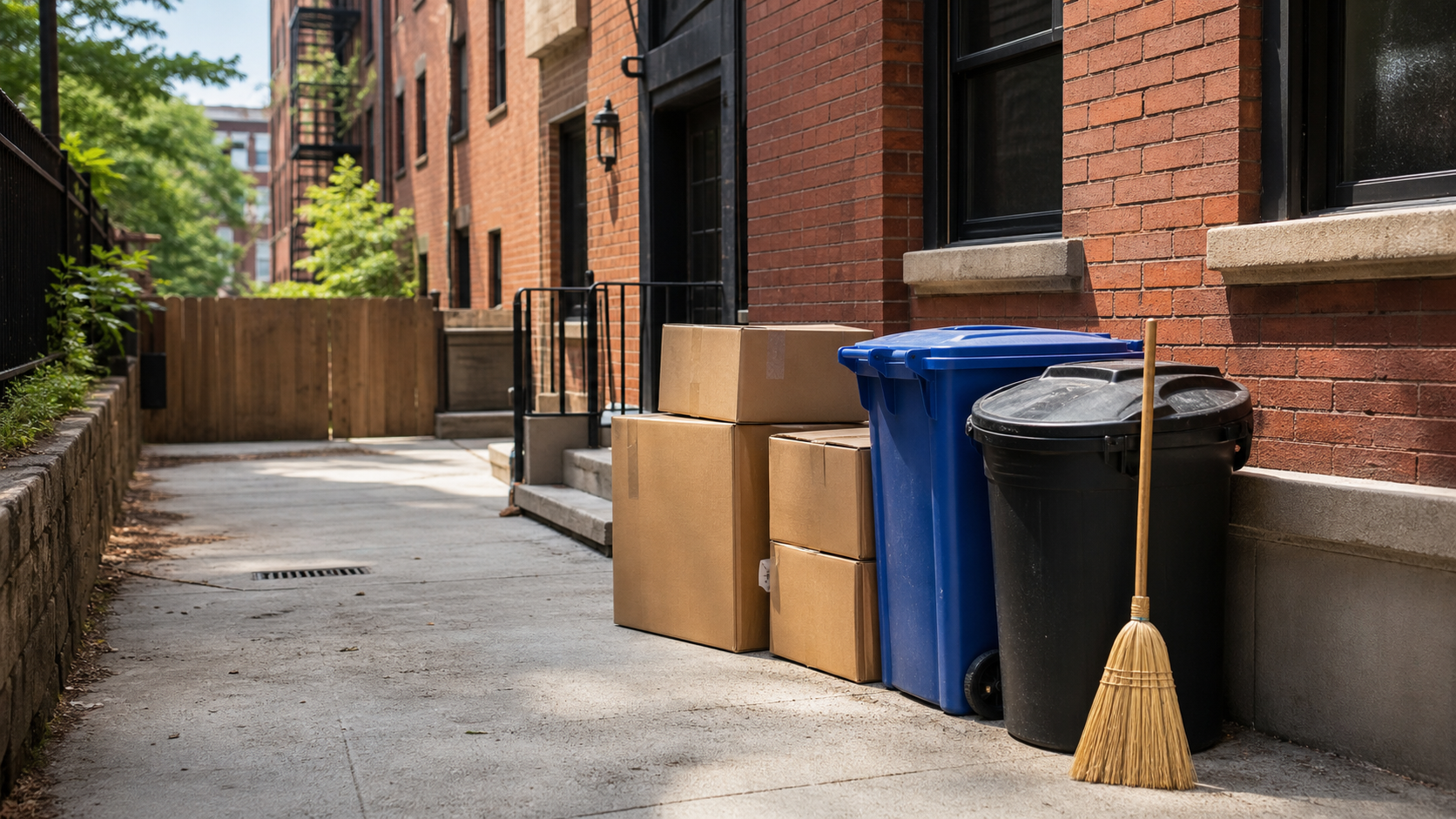
Condo tenants need clear instructions for packages, trash, common areas, noise, guests, service requests, and emergency contacts. Without those instructions, small building issues can turn into owner complaints.
The property manager should act as the bridge. The association should not have to chase the tenant for normal rental issues, and the tenant should not have to guess who handles unit-level repairs.
Use a welcome packet
A short welcome packet can cover building basics without turning the first week into a long message thread.
Set a reporting path
The tenant should know which issues go to the manager and which building emergencies may also require front desk or association contact.
Clarify repair responsibility before work begins
Cambridge condo repairs can involve individual unit systems, common plumbing, exterior walls, roofs, shared heating components, or association-controlled access. Responsibility may not be obvious at first report.
A manager should document the tenant report, collect photos, confirm whether the issue appears unit-specific, and communicate with the association when shared elements may be involved.
Keep owner reporting clean
Monthly notes should separate tenant requests, owner-approved repairs, and association-controlled items so the owner can see what is actually under their control.
Protect access
Vendors may need building access, elevator reservations, or certificates before work can happen. Those steps belong in the repair plan.
FAQ
What should Cambridge condo owners review before renting?
Review rental restrictions, lease rules, pet rules, move-in procedures, insurance requirements, common-area rules, parking, storage, and repair procedures.
Can a property manager communicate with the condo association?
Yes, when authorized by the owner. A manager can help coordinate notices, access, tenant issues, and repair information.
Are condo rental repairs different from apartment repairs?
They can be. Some issues are inside the unit, while others may involve shared building systems or association-controlled areas.
Treat condo rules as part of the rental
Cambridge condo rentals work best when owners treat building procedures as part of the management plan, not an afterthought.
With the right setup, tenants know what to expect, owners stay informed, and the association has a clearer point of contact.
Related owner pages