Medford Two-Family Inspection Checklist
A practical inspection checklist for Medford two-family rental owners covering shared systems, entries, basements, and tenant communication.
Medford two-family rentals can be manageable investments when the owner understands how the building works as a whole. Problems often live between the units: shared entries, basements, exterior drainage, utilities, stairs, and tenant expectations.
A useful inspection checklist helps owners see the property as a system. It also helps the manager explain which items need immediate work and which belong in longer-term planning.
Start with shared spaces and systems
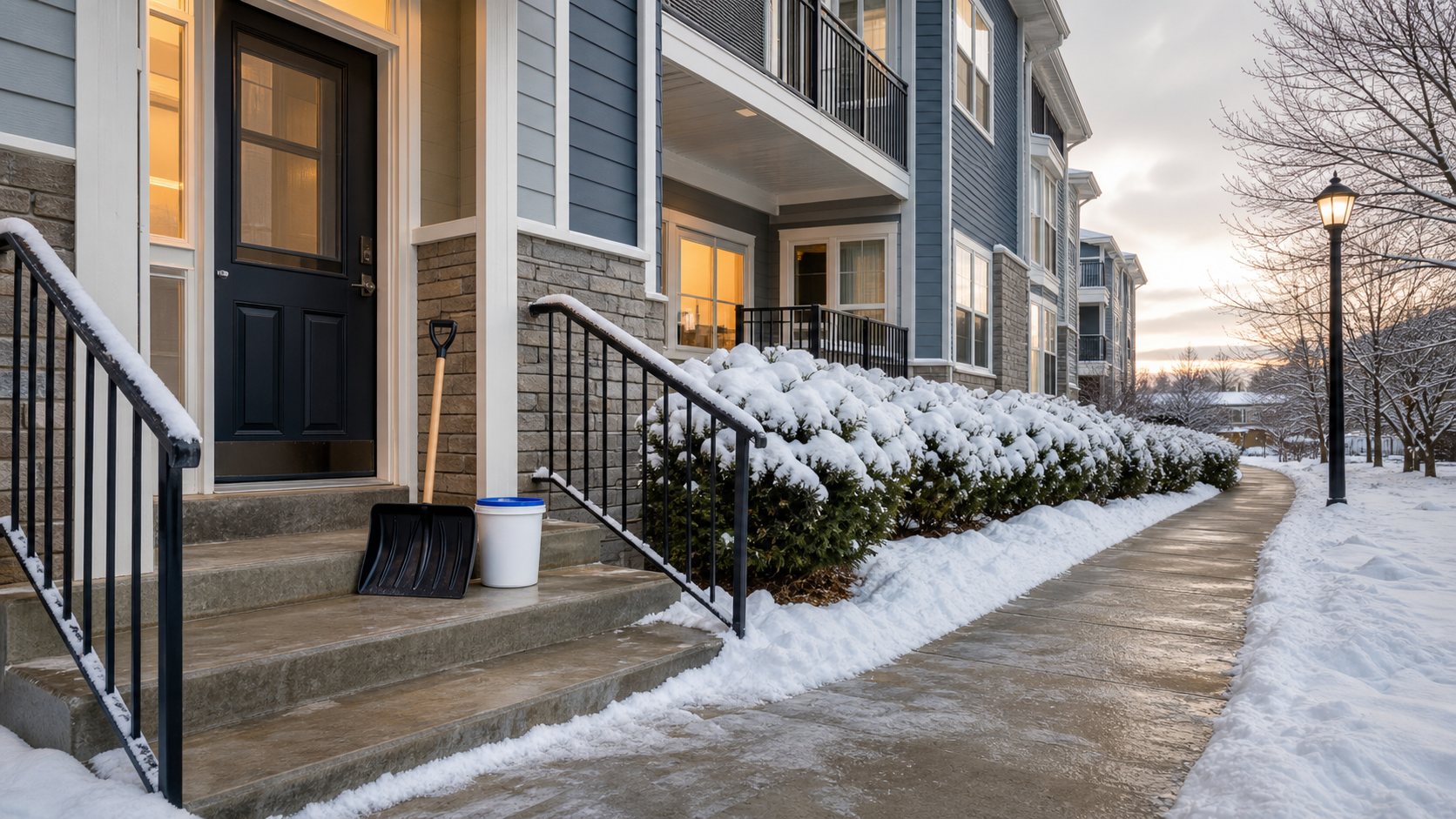
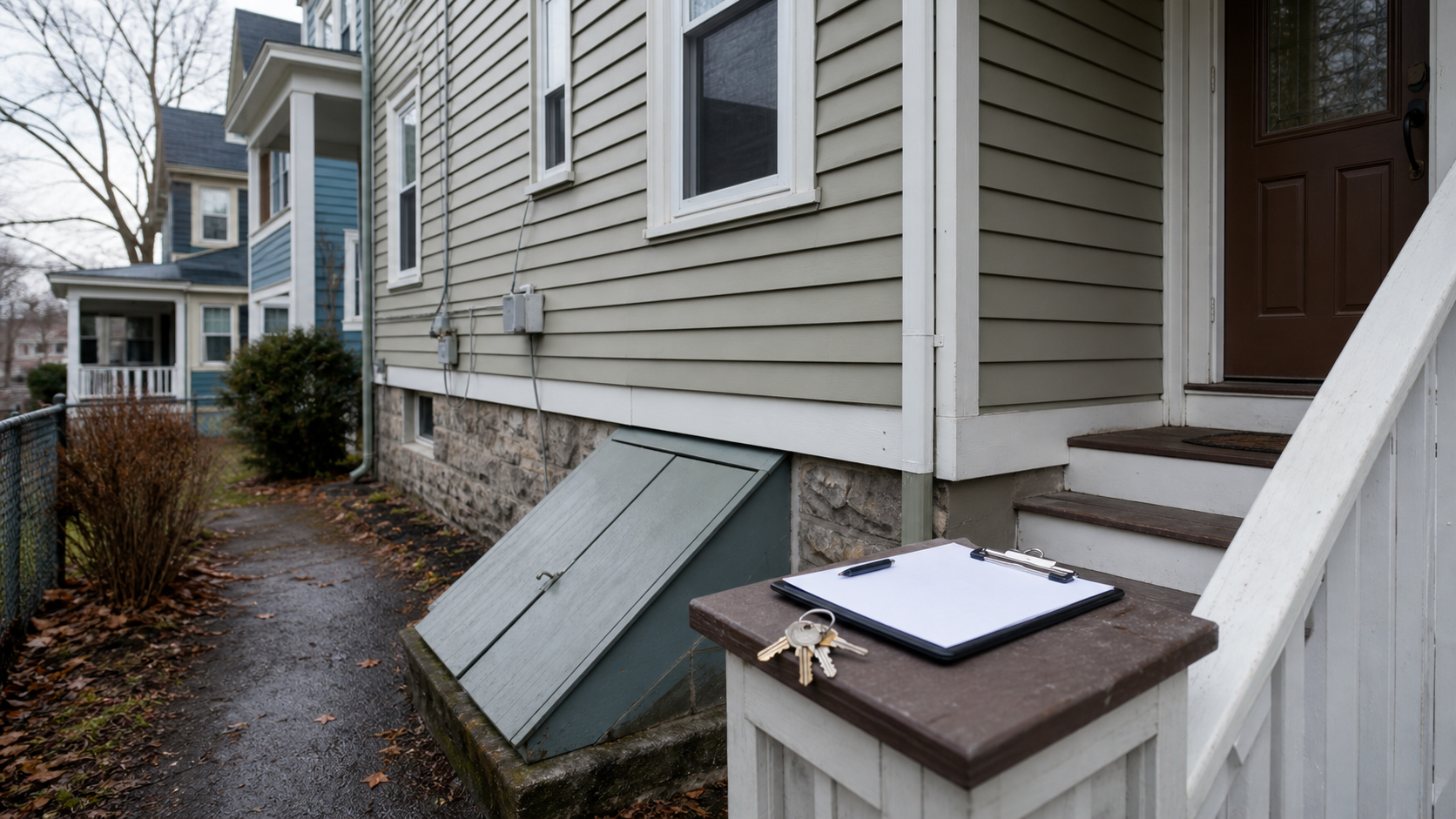
Common entries, stairs, hallways, porches, basements, utility areas, meters, laundry spaces, and storage corners should be reviewed before the inspection becomes a unit-by-unit walkthrough.
Shared areas often reveal patterns that a tenant may not report clearly. Moisture, blocked access, lighting, clutter, loose rails, and worn stairs can affect both tenants even when only one person complains.
Check access and safety
Entries, locks, lighting, stairs, handrails, and egress paths should be easy to inspect and document.
Review basement clues
Basements can reveal moisture, storage misuse, pest clues, utility access issues, and early signs of system strain.
Compare tenant reports with visible condition
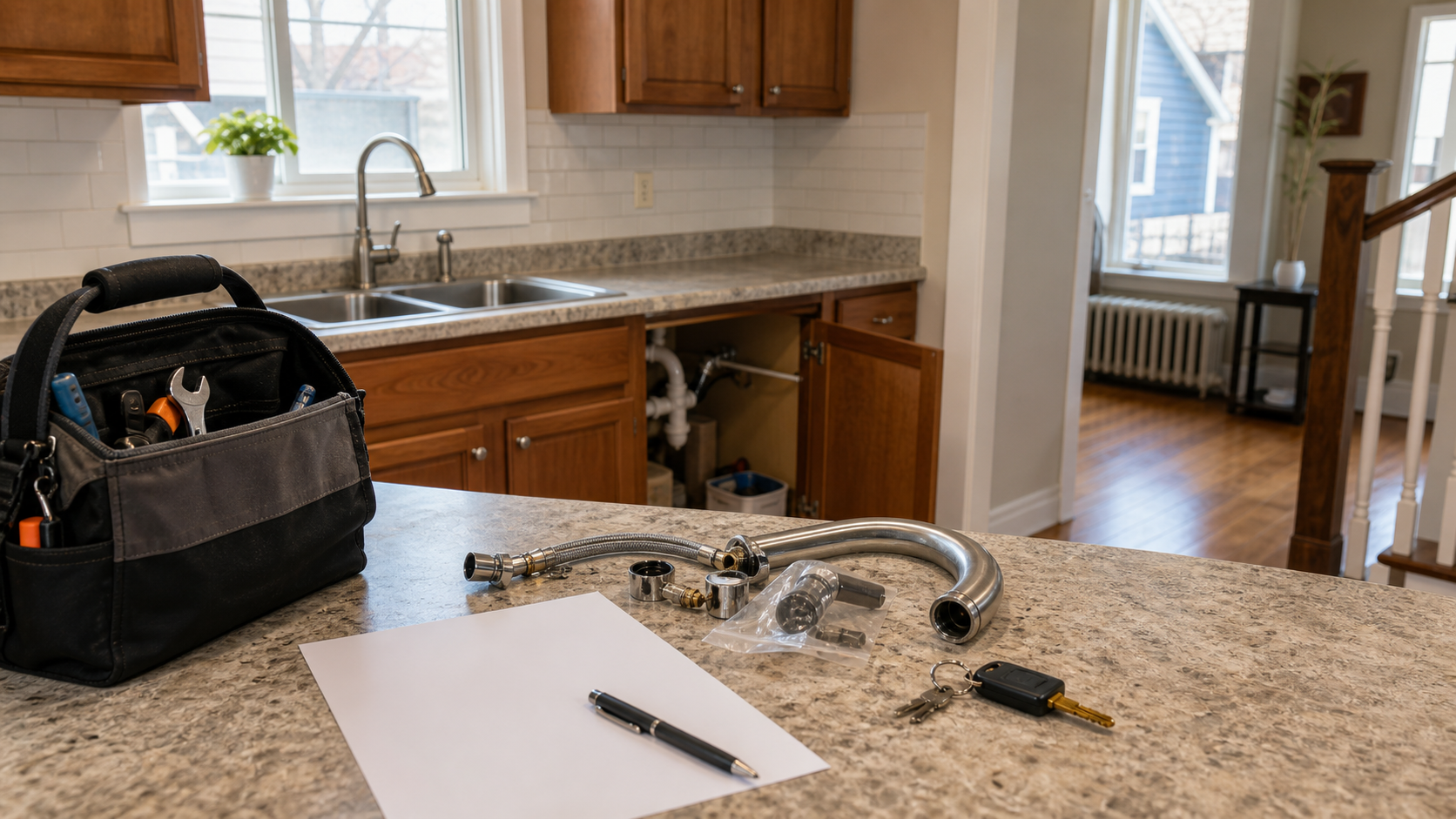
Tenant complaints should be compared with what the manager sees on site. A drafty window, slow drain, or recurring odor may connect to a larger repair pattern.
The manager should document photos, tenant comments, and recommended next steps. That record helps the owner approve the right work instead of reacting to isolated messages.
Ask consistent questions
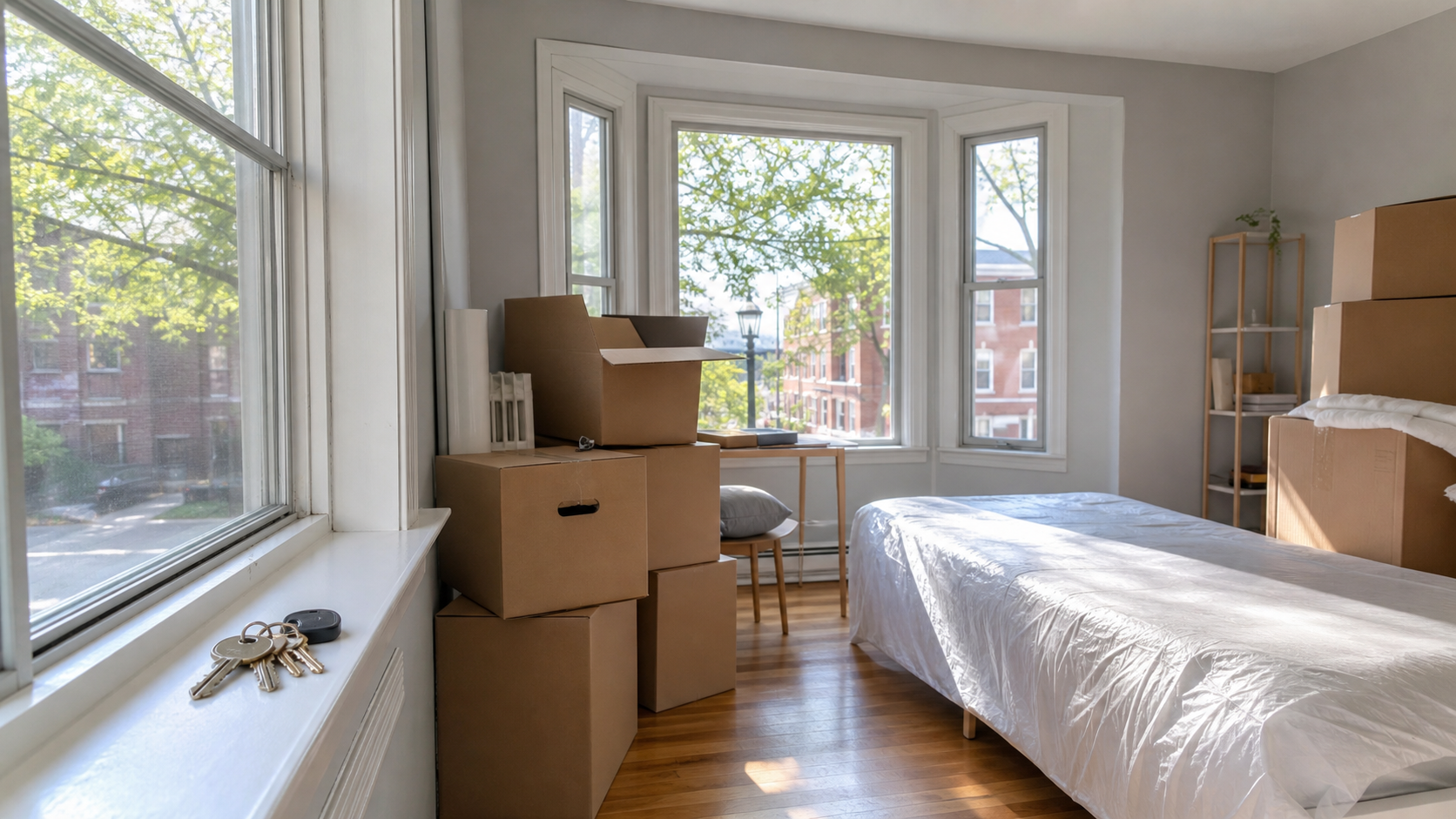
Each tenant should be asked about leaks, heat, hot water, pests, appliances, access, noise, and any repeated repair issue.
Avoid blame during inspection
The inspection should focus on facts, photos, and next steps. Lease compliance issues can be handled through the right notice process.
Turn findings into an owner decision list
A two-family inspection can produce many notes. The owner needs them grouped by urgency, cost, access needs, tenant impact, and whether the item is routine maintenance or future planning.
That structure helps the owner approve work without feeling buried. It also creates a record for future renewal, rent, and capital planning decisions.
Separate urgent and planned work
Leaks, safety items, access problems, and service issues should not sit in the same bucket as cosmetic improvements.
Use photos in reporting
Photos help owners understand condition without relying on vague labels such as bad, old, or worn.
FAQ
How often should Medford two-family rentals be inspected?
Owners should inspect at reasonable intervals based on lease terms, property condition, tenant history, and maintenance needs, with proper tenant notice.
What shared areas matter most in a two-family inspection?
Review entries, stairs, halls, basements, utility areas, exterior drainage, trash areas, lighting, storage, and any common access paths.
How should inspection findings be reported?
Group findings by urgency, tenant impact, access needs, estimated next step, and whether the item is routine repair or longer-term planning.
Inspect the building, not just the units
A Medford two-family is easier to manage when inspections cover the spaces and systems that connect the tenants.
C Property Management helps owners document condition, coordinate repairs, and turn inspection notes into practical decisions.
Related owner pages