How Triple-Deckers Change Somerville Management
Why Somerville triple-deckers require a different management approach for systems, turnover, access, and capital planning.
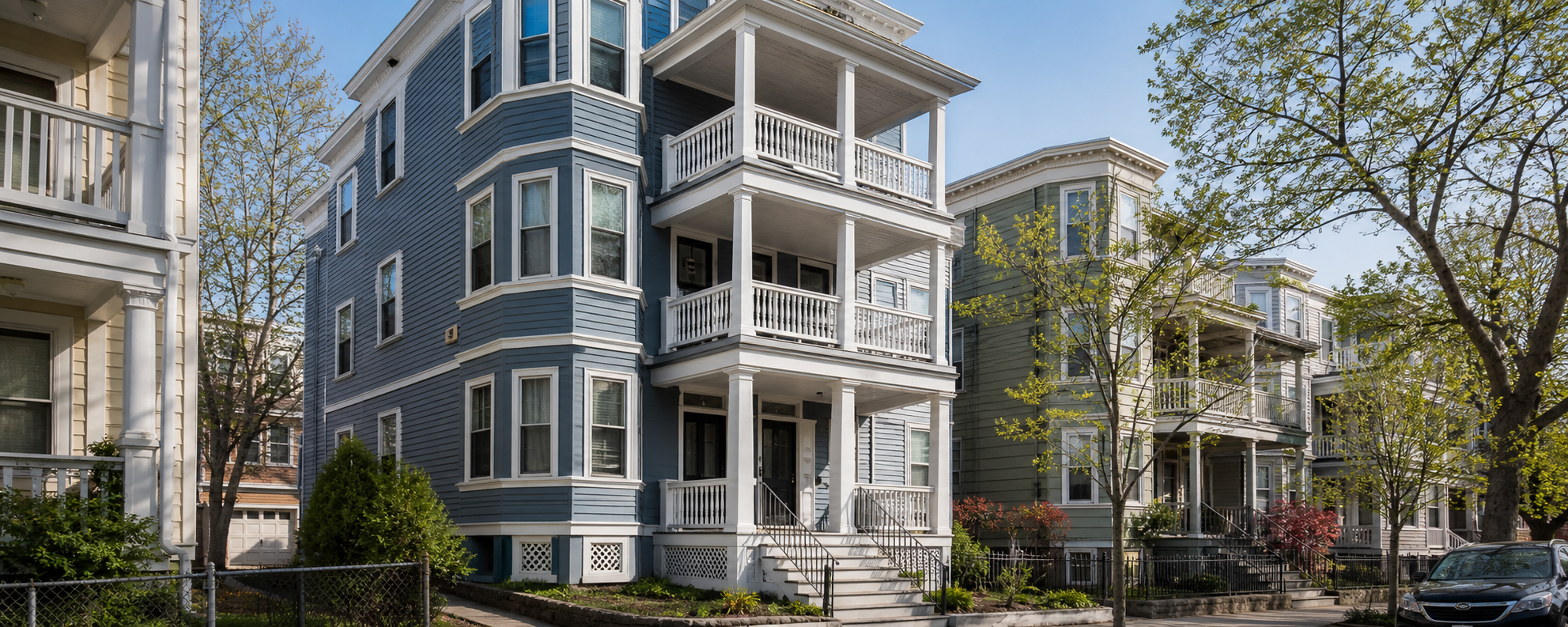
Somerville owners often buy triple-deckers because the format can balance rental income, neighborhood demand, and long-term flexibility. The same building type that makes sense on paper also creates a management pattern that is very different from a single condo or a newer apartment building.
Stacked units, exterior stairs, shared entries, older utility runs, and narrow basement access all shape the day-to-day work. The owners who handle these buildings best usually stop treating them like three separate apartments and start managing them like one connected operating system.
Shared building systems drive most decisions
In many Somerville triple-deckers, the trouble is not isolated to one apartment. A plumbing backup, roof leak, heating issue, or electrical upgrade can affect multiple floors, common areas, or the basement at the same time. That changes how owners should prioritize repairs and budgets.
Management gets easier when each repair is tied back to the larger building picture. Instead of asking whether one tenant can live with a patch, the better question is whether the building is showing a repeat pattern that will cost more if ignored.
Basements are part of the operating system
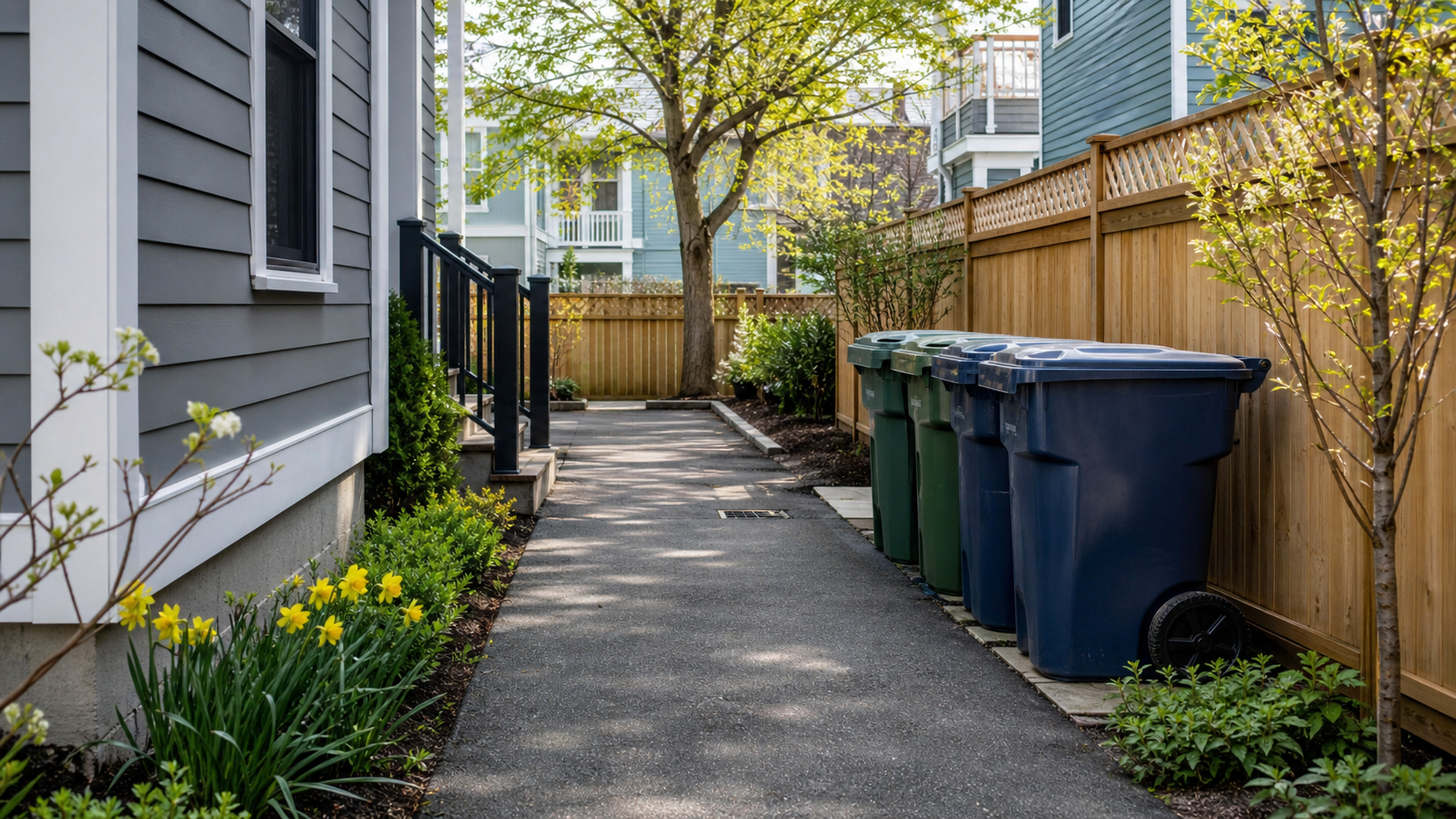
Basements in older Somerville homes often hold mechanical equipment, storage, utility lines, and moisture risk all at once. If the space is damp, cluttered, or hard to access, every future repair becomes slower and more expensive.
Vertical layouts complicate vendor access
When plumbers, electricians, or inspectors need to move through tight stairs and occupied units, scheduling matters. Owners need clear entry instructions, tenant communication, and realistic repair windows instead of vague same-day plans.
Exterior components wear differently here
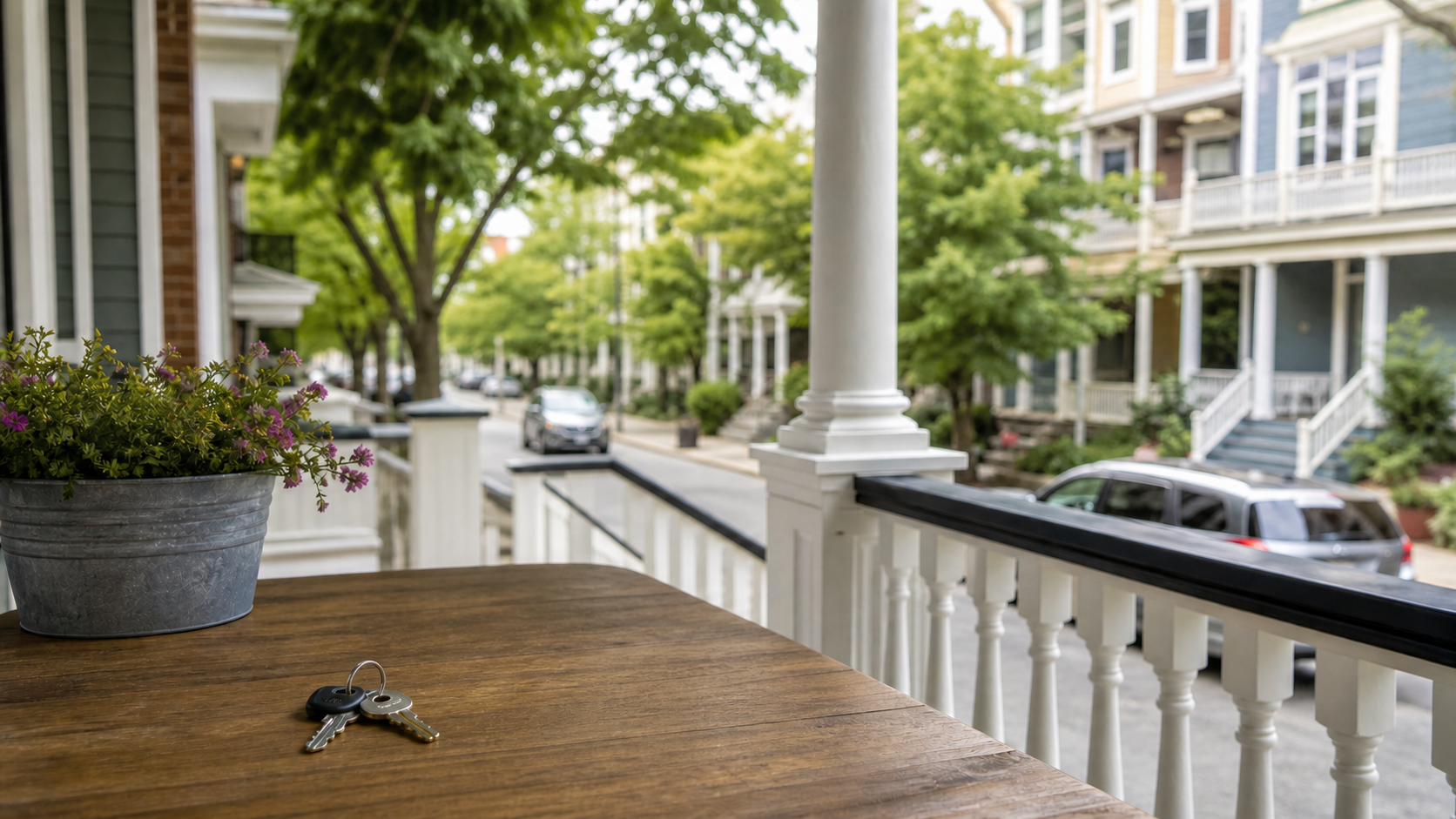
Triple-deckers often rely on exterior porches, front stairs, side entries, railings, trim, and rooflines that take visible weather exposure. In Somerville, those features are not cosmetic details. They are recurring risk points that affect safety, curb appeal, and tenant confidence.
A porch that looks tired, a stair tread that shifts after winter, or a gutter that dumps water too close to the foundation can all turn into bigger issues if the owner only responds after a complaint.
Porches influence leasing and liability
Porches matter because tenants notice them immediately and because they age under heavy use. Owners should inspect fasteners, rails, paint failure, and drainage instead of waiting for visible deterioration to become urgent.
Drainage affects the whole structure
Roof runoff, clogged gutters, and poor grading often show up later as basement moisture, siding wear, or trim rot. A triple-decker maintenance plan works best when exterior water management is treated as a top priority.
Turnover planning has to account for stacked occupancy
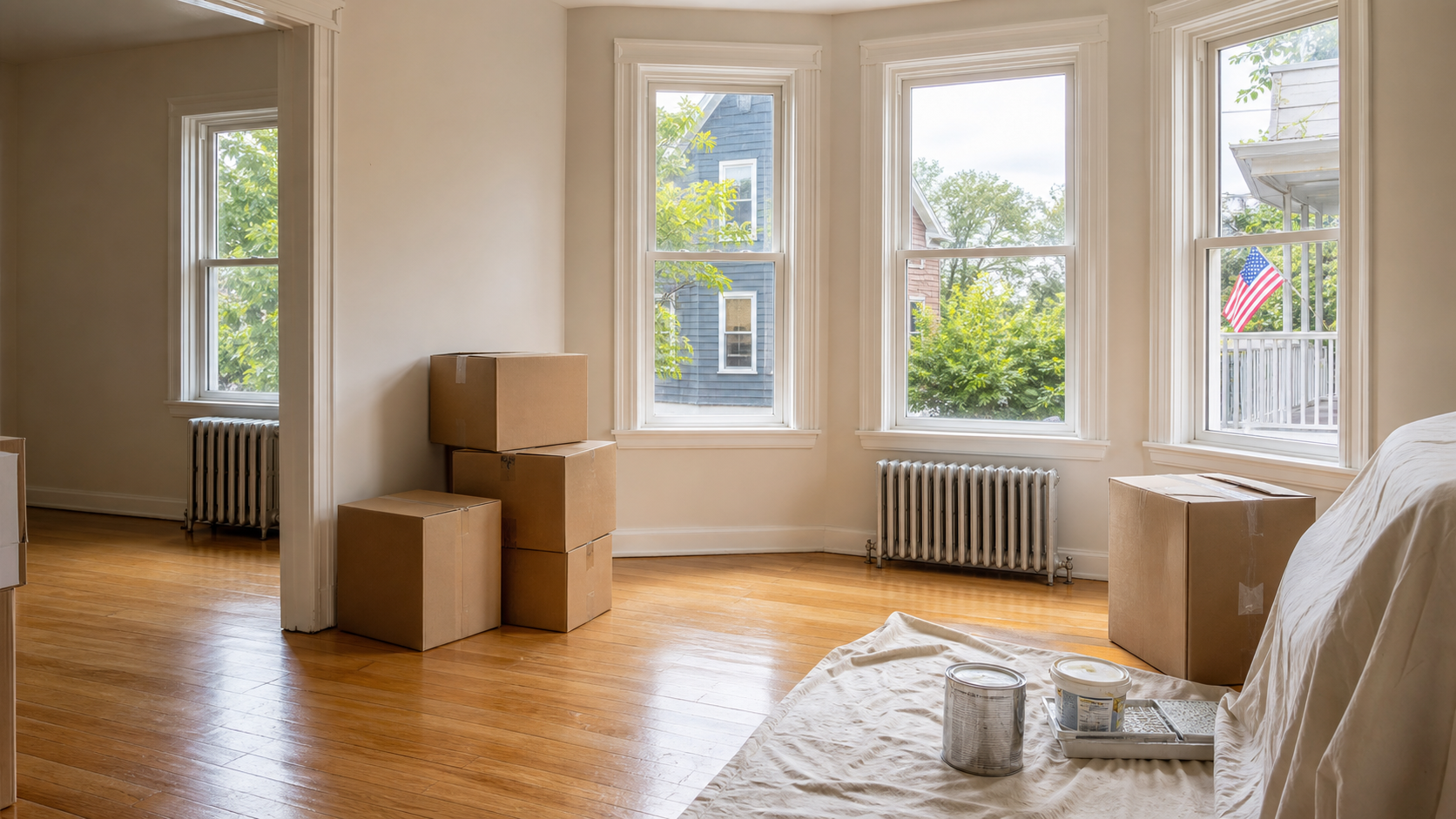
A vacancy on one floor still happens inside an occupied building. Showings, make-ready work, trash removal, and contractor visits can affect the tenants upstairs or downstairs. That means the turnover process needs more communication and tighter scheduling than a standalone unit might require.
Owners who plan ahead can protect both the leasing timeline and the experience of current tenants. Owners who improvise often end up with friction over noise, access, and common-area condition right when they need the next lease signed.
Common areas set the tone
Prospective renters judge the building from the first hallway, stairs, and entry condition they see. A strong unit can still lease poorly if the shared spaces feel neglected or disorganized.
Coordination matters more than speed alone
Quick turnover is useful, but not if vendors keep returning because the repair sequence was poorly planned. Cleaning, painting, flooring, and minor repairs should be staged in a practical order to reduce repeat visits through the building.
The best owners use a building-level capital plan
Triple-deckers reward owners who think in cycles. Roof, porch work, windows, heating equipment, exterior paint, and basement conditions all have timelines that should be tracked before failure drives the conversation.
That does not mean replacing everything at once. It means knowing what is aging, what can be stabilized, and which deferred items are likely to create tenant disruption or emergency costs next.
Monthly reporting should flag building patterns
A useful report is not only a list of invoices. It should show whether the same drain, same stair, same moisture area, or same appliance issue keeps coming back so the owner can choose between repeated patchwork and a larger fix.
Local context matters in vendor planning
Older Somerville housing stock often needs vendors who are comfortable with tight lots, older framing, layered repairs, and occupied multifamily homes. A manager who already works in that environment can reduce trial-and-error.
FAQ
Why are triple-deckers harder to manage than a single condo rental?
They combine shared building systems, exterior stairs and porches, occupied common areas, and older utility layouts that affect multiple units at once.
What should owners inspect first in a Somerville triple-decker?
Start with porches, stairs, gutters, basement moisture conditions, roof drainage, common-area wear, and any repeat maintenance issues affecting more than one floor.
Can property management help with long-term planning for triple-deckers?
Yes. A local property manager can coordinate repairs, track repeat issues, improve tenant communication, and help owners build a more realistic capital plan.
Treat the building like one system
Somerville triple-deckers perform better when owners manage them as connected buildings instead of separate apartments with unrelated problems. That mindset improves maintenance timing, tenant communication, and capital planning.
If your triple-decker is creating too many scattered repairs or turnover headaches, start with a rental analysis and a building-level management review.
Related owner pages