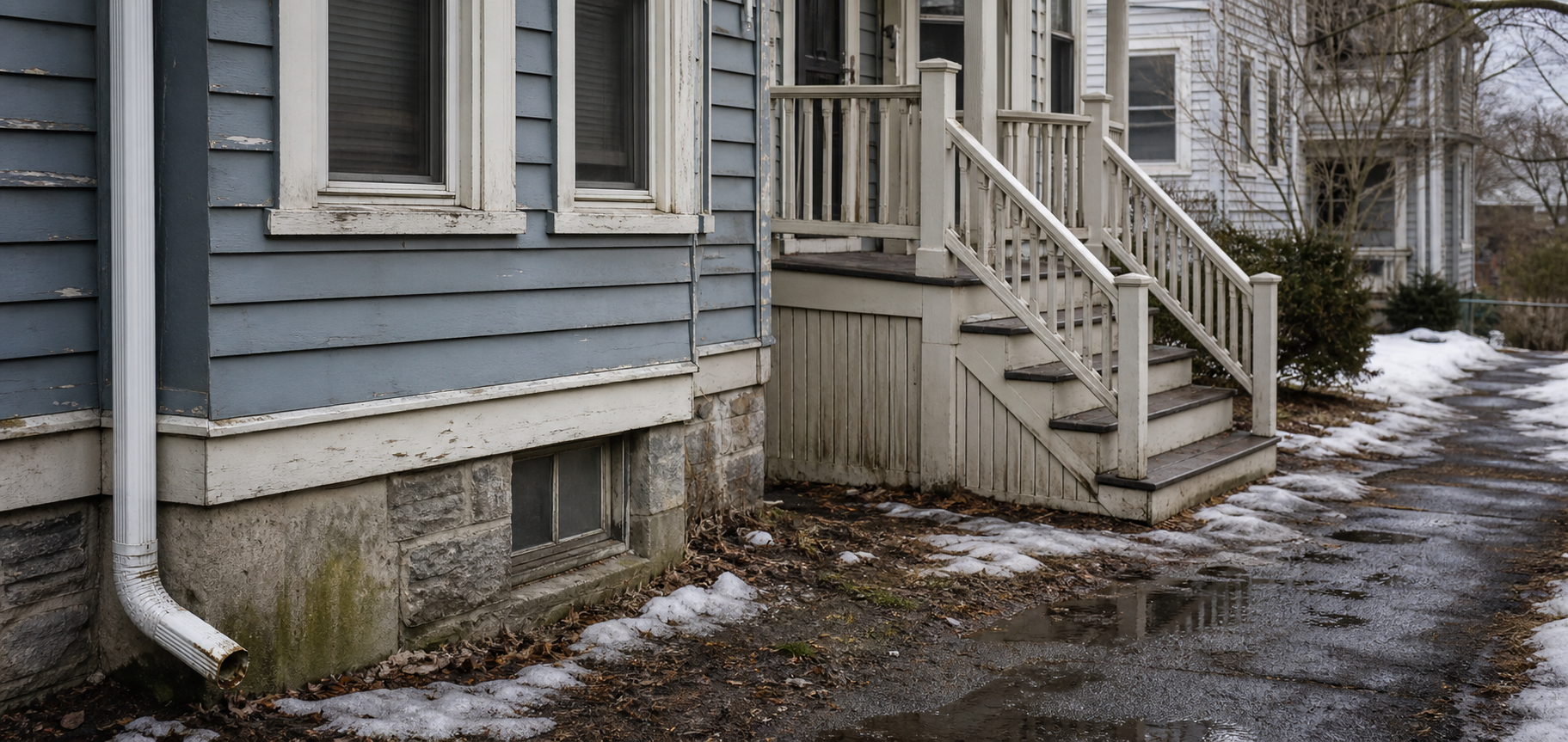
Cambridge Late-Summer Yard Care Checklist
A midsummer exterior checklist for Cambridge rental owners planning mowing, weeds, watering notes, access paths, and cleanup work.

By late July and August, a Cambridge rental exterior can start showing whether the summer routine is working. Grass may be uneven, weeds can crowd walkways, shrubs can block entries, and residents may be unsure who handles watering or cleanup.
A short midsummer pass keeps the work practical. The point is not to create a perfect lawn; it is to keep the rental clear, presentable, and easier to manage before leaves and colder weather add another layer of tasks.
This guide is for Cambridge landlords with small multifamily yards, condo patios, shared driveways, garden-level entries, or side paths that need clear responsibility during the warm-weather stretch.
Check what heat, rain, and growth changed
Start with a simple walk around the building. Look at grass height, weeds along edges, overgrown shrubs near doors or windows, loose branches, blocked walkways, trash-barrel areas, drainage paths, and outdoor items left by residents.
The review should be tied to the rental's actual setup. A small condo patio needs a different checklist than a garden-level entry, a narrow side yard, or a two-family with a shared driveway and bins.
Prioritize access and visibility
Trim growth away from entry doors, handrails, house numbers, exterior lights, meters, basement doors, and any path a resident or vendor needs to use.
Note dry or damaged areas
Brown grass is not always urgent, but dry patches, exposed soil, or damaged edges can affect curb appeal and make fall cleanup harder if no one tracks them.
Clarify resident and owner duties
Responsibility confusion usually starts with vague wording. The lease and house notes should say who handles mowing, watering, weeding, trash-area cleanup, outdoor furniture, and basic warm-weather reminders.
If a resident is responsible for a task, make the instruction plain and realistic. If a vendor or manager is responsible, the resident should still know how to report a blocked path, broken hose, loose branch, or missed visit.
Separate routine work from damage
Mowing and weeding are different from a fallen limb, broken fence, damaged steps, or drainage problem. The checklist should tell residents what to report instead of trying to fix.
Match notes to the lease
Do not rely on informal text messages if the lease says something different. Update the written house notes so everyone is working from the same expectation.
Book cleanup work before fall
Late summer is a useful time to decide whether the property needs a cleanup visit, shrub trimming, gutter review, driveway-edge work, or a plan for leaves. Waiting until the first fall rush can make scheduling harder.
Work orders should include parking, entry, which areas to touch, which areas to leave alone, and whether resident items need to be moved before work begins.
Group small exterior tasks
A single visit may be able to handle weeds, trimming, walkway clearance, bin-area cleanup, and low branches. Grouping small tasks can reduce repeat scheduling.
Keep owner approvals specific
If the work may expand beyond routine cleanup, ask for a clear estimate, photos, and the reason for the recommendation before approving the larger scope.
Save a short seasonal record
Take a few repeat photos of the front approach, driveway, bins, fence line, side path, and any problem area. The record helps owners compare August condition with fall cleanup, turnover photos, and future maintenance notes.
The seasonal record does not need to be long. It should show what was checked, what was assigned, what was completed, and what should be revisited before leaves, colder weather, or the next turnover.
Use the same photo angles
Repeat angles make it easier to tell whether growth, clutter, drainage, or walkway clearance is improving or drifting.
Carry open items forward
If an exterior issue needs a vendor, owner approval, resident item removal, or follow-up after rain, keep it visible until it is resolved.
FAQ
Who is responsible for lawn care at a rental property?
The lease should say whether the resident, owner, contractor, or manager handles mowing, watering, weeding, cleanup, and reporting exterior issues.
What should Cambridge landlords check in late summer?
Check grass height, weeds, shrubs near entries, walkways, trash areas, drainage paths, outdoor resident items, hose access, and any cleanup needed before fall.
Can a property manager coordinate seasonal yard care?
Yes. A manager can document exterior condition, clarify resident notes, schedule vendors, track approvals, and keep seasonal records for the owner.
Use late summer to reset the exterior
A late-summer exterior pass is a practical checkpoint for Cambridge rentals. It gives owners a chance to clear access, tighten resident notes, plan cleanup work, and enter fall with fewer surprises.
C Property Management helps Cambridge owners coordinate maintenance, resident communication, contractor follow-up, and seasonal records. Request a rental analysis if outdoor responsibility has become unclear at your rental.
Related owner pages