What to Inspect First After Winter
A post-winter inspection framework for Somerville rentals focused on the areas most likely to shift after snow, ice, and freeze-thaw cycles.
Winter leaves a mark on older rental housing even when no single storm creates a clear emergency. In Somerville, freeze-thaw cycles, snow management, roof runoff, and steady foot traffic can all change how a property is performing by the time spring arrives.
That is why a post-winter inspection should do more than look for obvious damage. It should check the parts of the building most likely to have shifted, loosened, or started holding water in new ways.
Start where people walk every day
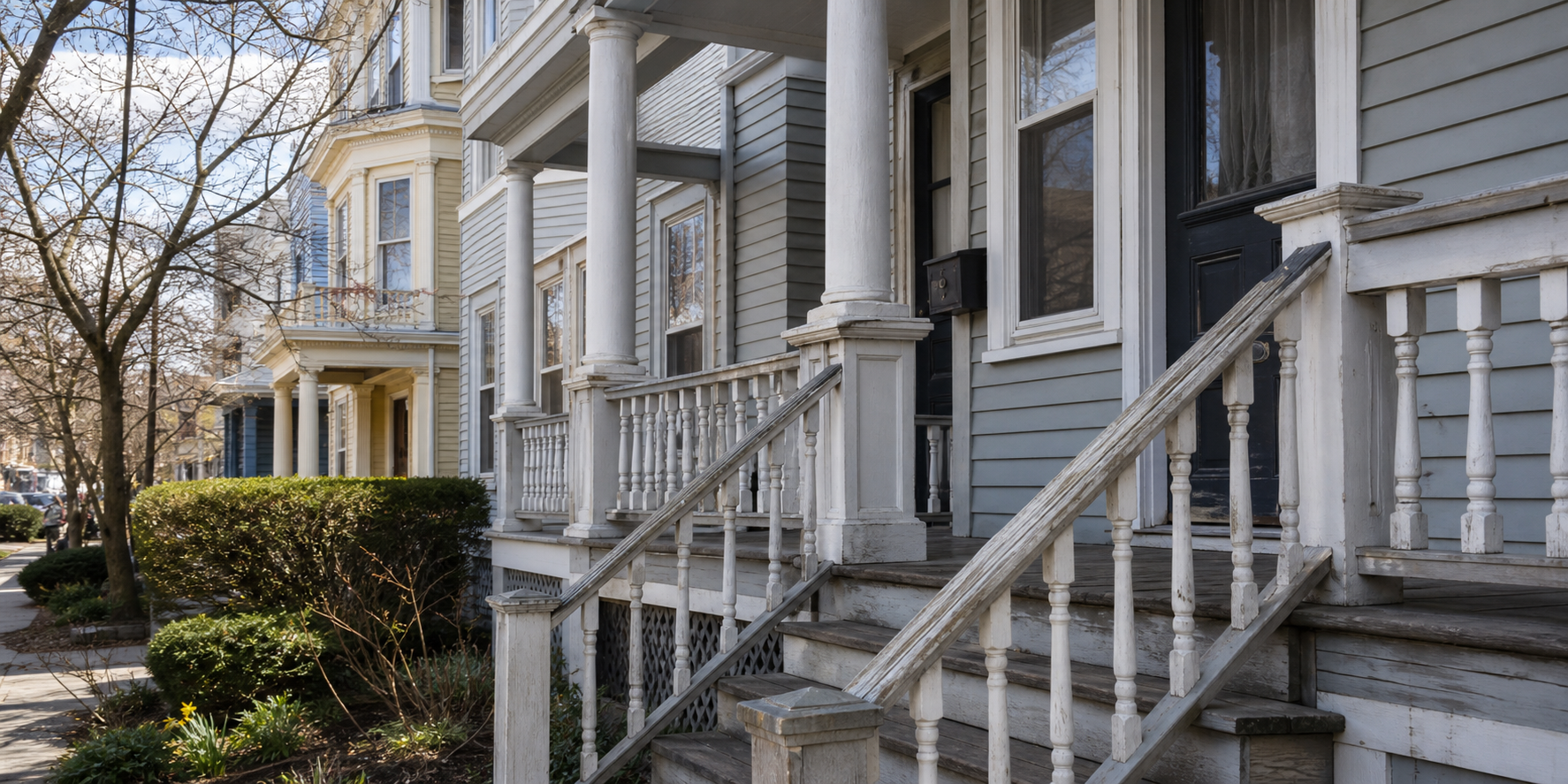
Exterior stairs, porches, railings, and entries take the brunt of winter use. Ice treatment, wet shoes, repeated shoveling, and freeze-thaw movement can all change how those areas feel from one season to the next.
Owners should look for movement, soft spots, drainage issues, lighting problems, and anything that makes the approach feel less safe or less stable than it did in fall.
Compare to prior photos if possible
The easiest way to spot subtle movement is to compare current condition with images from the same locations taken before winter.
Entry condition affects leasing too
If spring showings are coming, the front approach needs to recover quickly from winter wear so the property feels maintained from the first impression.
Follow the water path next
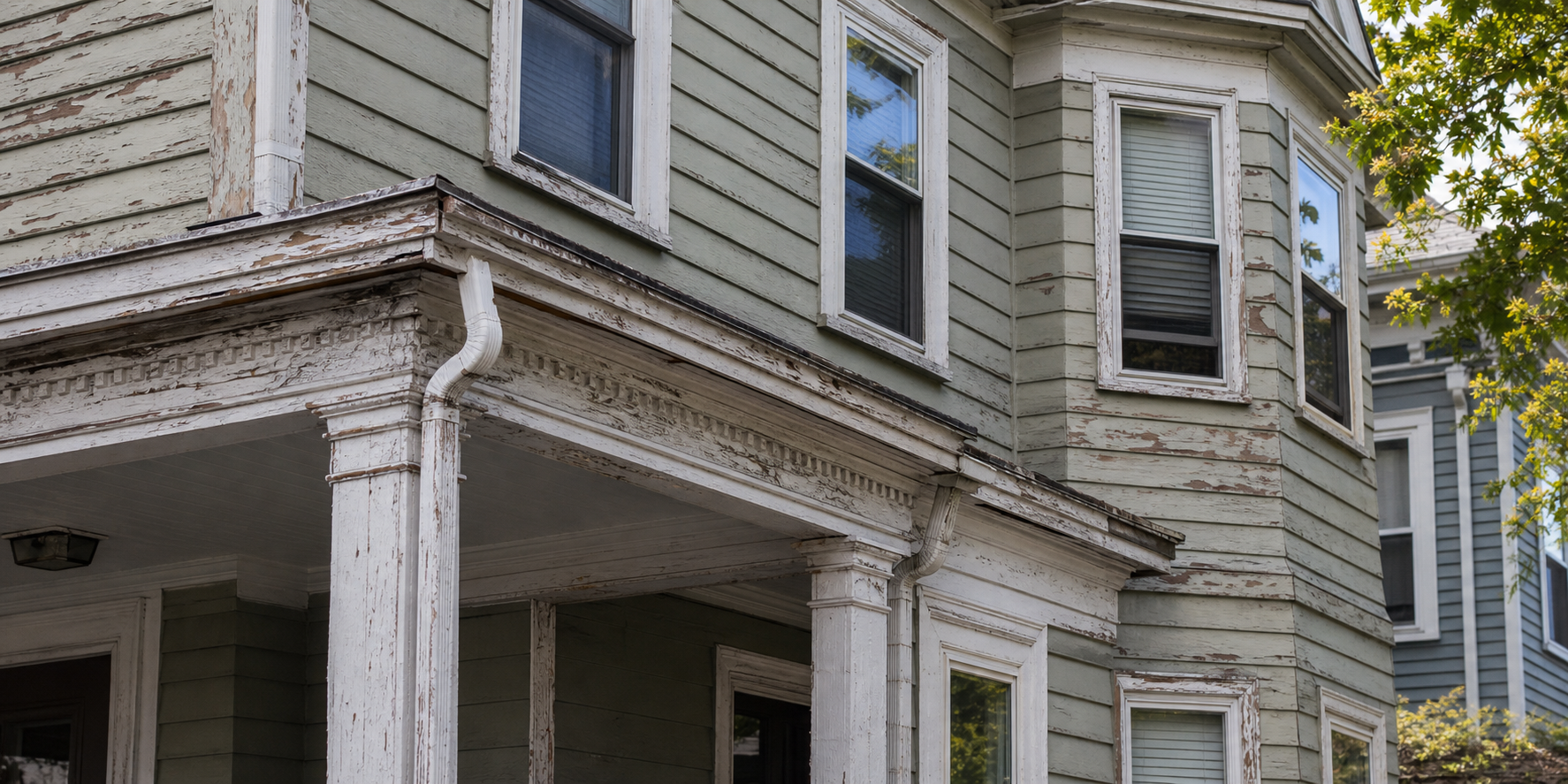
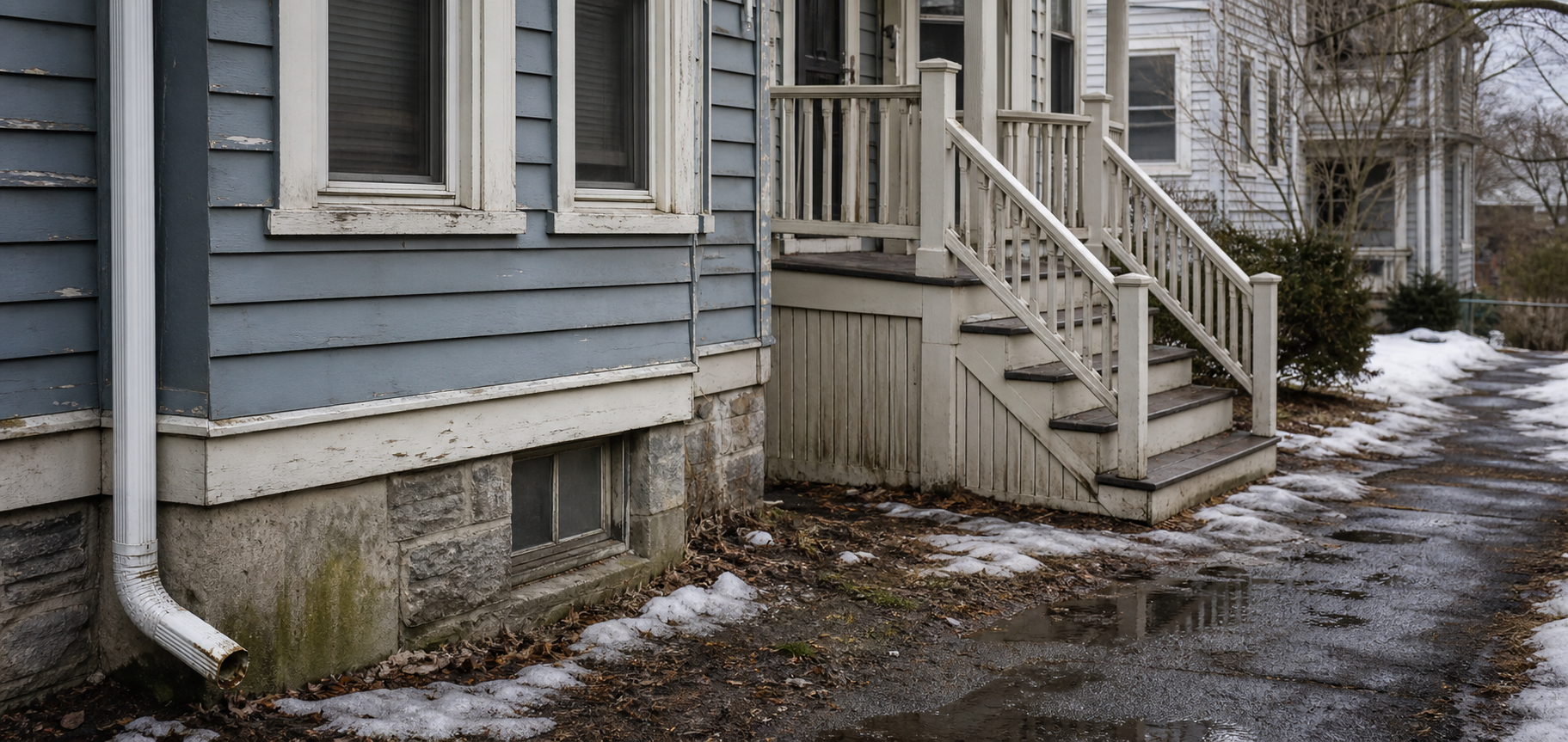
Gutters, downspouts, roof runoff areas, and grading should be reviewed early because winter can alter how water exits the building envelope. Overflow or poor drainage may not become obvious until spring rain arrives.
A small exterior water problem can become basement dampness, trim wear, or foundation-side trouble if it goes unaddressed into the next season.
Check where meltwater likely collected
Look at corners, steps, low points, and foundation edges where water may have pooled or flowed repeatedly during thaw cycles.
Treat gutter issues as a building concern
Even if the visible problem looks minor, poor runoff can influence several other maintenance items later, so it should be documented clearly.
Inspect basements and interior comfort clues
After winter, owners should review basement moisture, humidity, mechanical access, and any signs that water or condensation behaved differently during the cold months. They should also note tenant comments about drafts, uneven heat, or windows that felt harder to manage.
These clues can reveal building envelope or systems issues that do not show up as dramatic failures but still affect comfort and future repair planning.
Small comfort complaints can be useful data
A drafty room, persistent window condensation, or an area that always felt colder than the rest of the unit may point to a maintenance decision worth making before next winter.
Mechanical spaces deserve a reset
Spring is a good time to clear access, review service notes, and make sure utility areas did not collect clutter or dampness during the heating season.
Document now so next winter is easier
Post-winter inspection is valuable because it creates a record. Owners can note which stairs shifted, where drainage underperformed, and which rooms generated comfort complaints so those items are not rediscovered months later.
That record also helps decide what should be handled immediately, what can wait for a vacancy, and what belongs in a longer capital planning cycle.
Prioritize by spread risk
Issues tied to water, access, or safety should rise to the top because they are more likely to affect other systems if delayed.
Use the inspection to guide vendor calls
A clearer spring inspection file makes it easier to bring the right vendor out once, with better context, instead of piecing together the problem over several visits.
FAQ
What should Somerville owners inspect first after winter?
Start with exterior stairs, porches, railings, entries, gutters, drainage points, basement moisture areas, and any comfort or heating issues tenants reported during winter.
Why is a post-winter inspection important if there was no emergency?
Because winter can still shift building condition gradually, and catching those changes early is often much easier than waiting until the next failure or turnover.
Can property management handle post-winter inspections?
Yes. A manager can document condition, prioritize follow-up, coordinate vendors, and tie the inspection to a broader seasonal maintenance plan.
Inspect before spring momentum hides the damage
A Somerville rental can come out of winter looking fine while still carrying several new maintenance signals. Early inspection is what turns those signals into manageable work instead of delayed surprises.
If spring maintenance keeps feeling reactive, a local inspection plan can help reset the sequence.
Related owner pages