The Hidden Cost of Deferred Exterior Maintenance
Why deferred exterior work in Somerville rentals becomes more expensive than the original repair and often affects leasing too.
Exterior maintenance is one of the easiest parts of a rental to postpone because the building may still be occupied and producing income. In Somerville, that delay often creates a larger bill later because water, weather, and older materials keep working on the problem even while the owner waits.
The real cost of exterior neglect is not just the eventual contractor invoice. It also shows up in leasing presentation, tenant confidence, and the number of related issues that start to travel inward from the original weak point.
Visible wear is often only the first signal
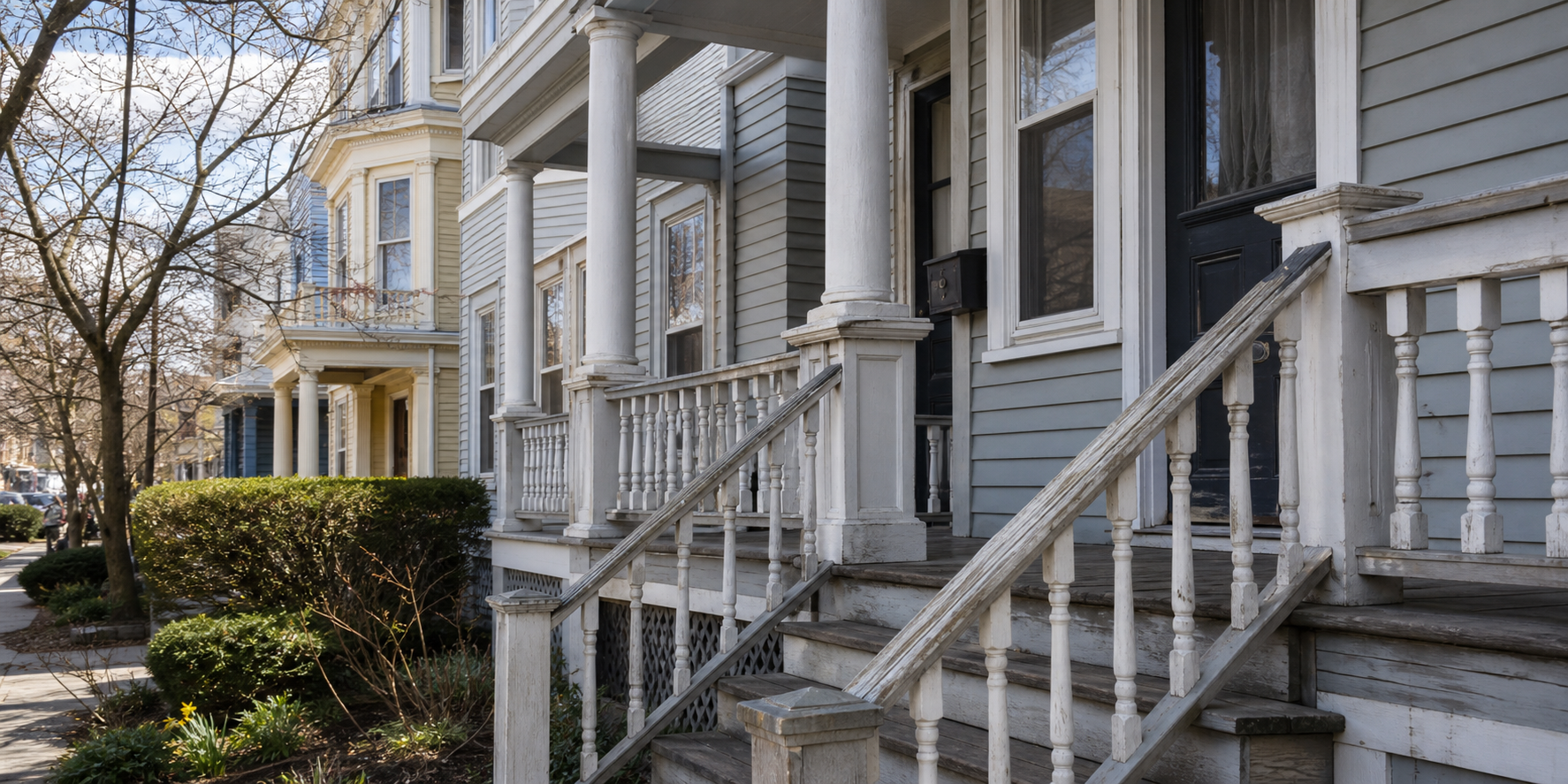
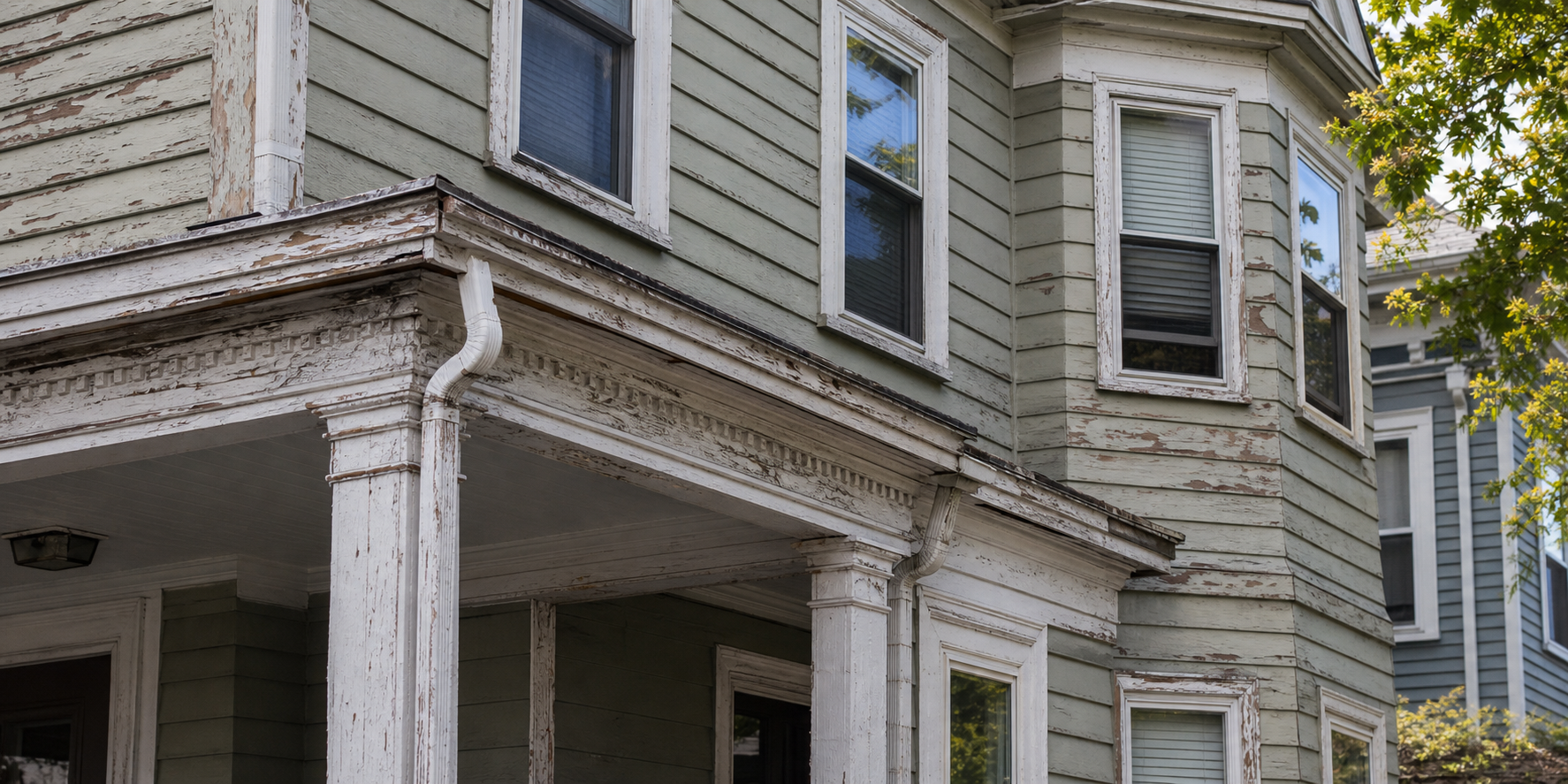
Peeling paint, softened trim, uneven stairs, or a loose gutter may look like isolated surface issues. In many older Somerville buildings, they are part of a bigger pattern tied to water movement, delayed maintenance cycles, or repeated weather exposure.
Owners who address only the visible symptom often spend repeatedly without fixing the underlying cause.
Water creates chain reactions
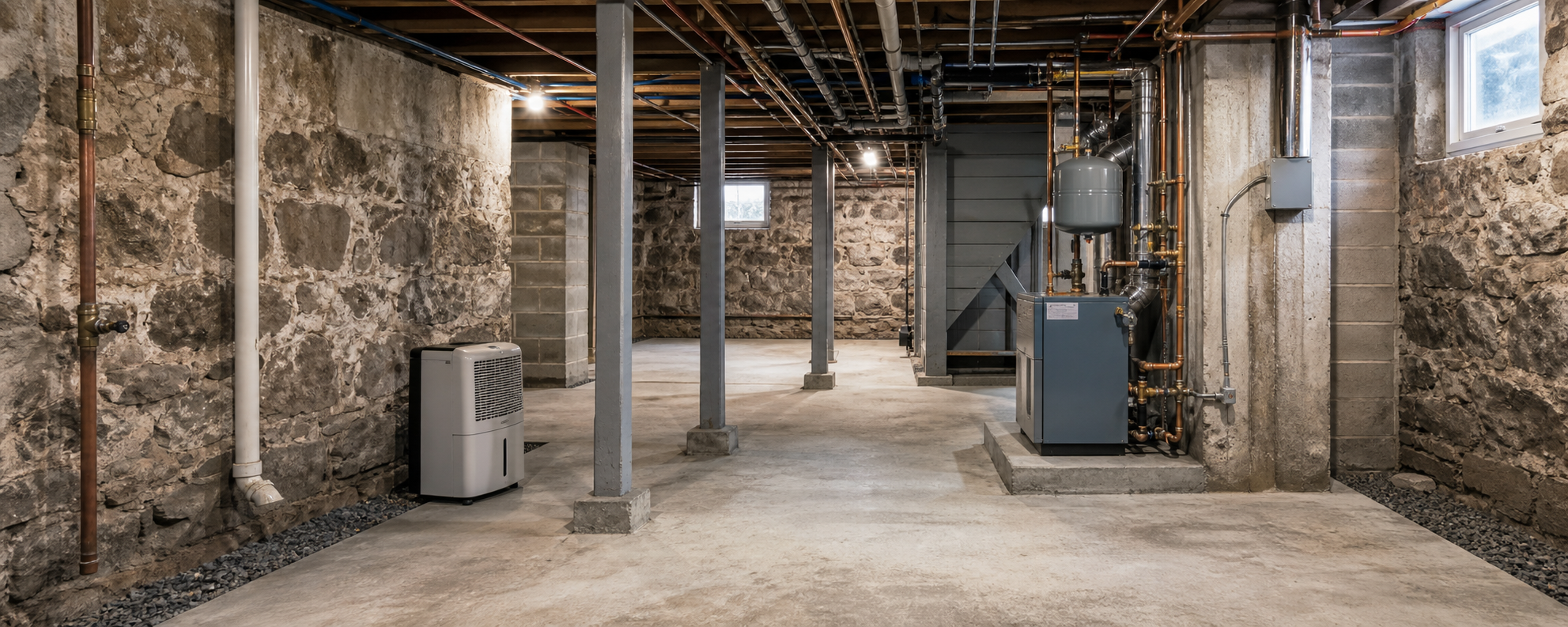
A gutter problem can become siding wear, trim damage, stair deterioration, or basement moisture. That chain reaction is what makes deferred exterior maintenance so expensive over time.
Exterior condition affects interior perception
Tenants and prospects often read visible neglect as a clue about how the rest of the property is managed. That perception can affect retention and lease-up before a major repair is even discussed.
Older housing stock raises the stakes
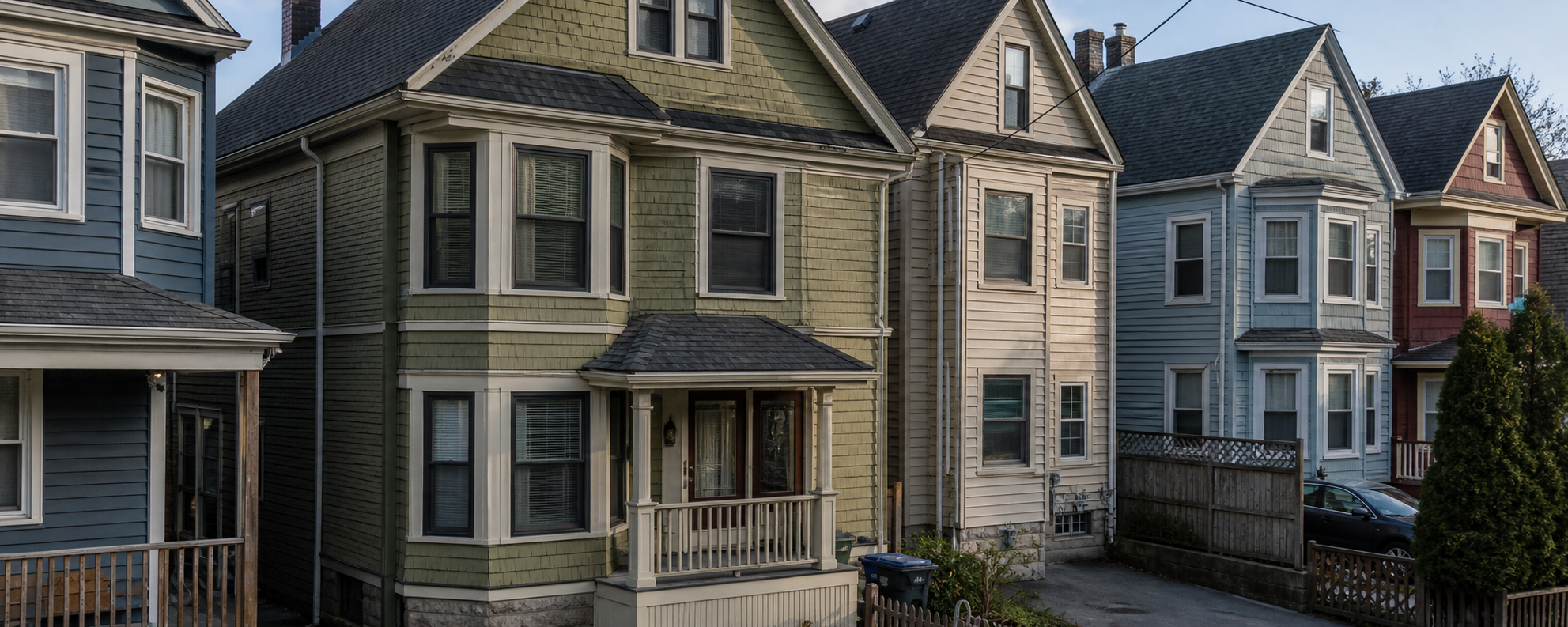
Somerville's older multifamily and attached housing often includes trim details, porches, and layered exterior assemblies that need more routine attention than simplified new construction. When owners delay upkeep, those components do not simply pause in place.
Instead, they continue aging in ways that can expand the eventual repair scope or make timing more disruptive.
Deferred work narrows your options
When the issue is still small, owners can schedule around vacancies, weather windows, or budget cycles. Once the problem becomes urgent, those choices shrink quickly.
Exterior work often affects multiple systems
Because entrances, porches, gutters, siding, and drainage are interconnected, one delayed item can cause related work elsewhere to become less efficient.
Tenant experience is part of the cost
Exterior deterioration changes how tenants feel about safety, cleanliness, and whether the owner is staying ahead of basic building needs. That matters in both occupied multifamily homes and single-unit rentals.
A property can lose goodwill long before it loses occupancy. Owners should factor that erosion into the real cost of delay.
Curb appeal influences renewals too
Tenants renewing a lease are still evaluating the property. If the building looks like it is sliding backward, the owner may need more rent restraint or more convincing to keep a strong tenant.
Complaints usually start at the visible edge
Loose rails, wet entries, gutter overflow, and neglected approaches are daily-use issues. They create tenant friction faster than many interior defects do.
Planning turns exterior upkeep into a system
A better approach is to inspect the building exterior routinely, document the same locations over time, and tie smaller repairs into a broader seasonal plan. That gives owners a chance to solve related issues together rather than in scattered emergency bursts.
Good management also keeps open vendor recommendations visible so exterior concerns do not disappear between invoice cycles.
Use photos and repeat notes
Photographing the same stairs, corners, gutters, and trim lines helps owners judge whether a condition is stable, progressing, or tied to weather patterns.
Sequence work around the building envelope
Exterior planning is strongest when owners think in terms of water management, access, and the relationship between components rather than isolated repairs.
FAQ
Why does deferred exterior maintenance get expensive so quickly?
Because water and weather keep worsening the underlying issue, which can spread damage to nearby materials, access points, or interior areas over time.
What exterior issues should Somerville owners prioritize first?
Owners should review gutters, drainage, porches, stairs, trim, roof edges, and any visible condition that appears linked to moisture or structural wear.
Can property management help owners stay ahead of exterior work?
Yes. Routine inspections, better recordkeeping, and coordinated maintenance planning can turn scattered exterior issues into a clearer system.
Small outside problems rarely stay small
In Somerville rentals, deferred exterior maintenance often grows through the building long before the final repair is approved. Owners who document and plan exterior work usually protect both the asset and the leasing experience.
If your exterior upkeep has become reactive, a local maintenance review can help set a more defensible order of operations.
Related owner pages