Maintenance Challenges in Attached Homes
How attached and semi-attached housing in Somerville creates a different maintenance and coordination workload for rental owners.
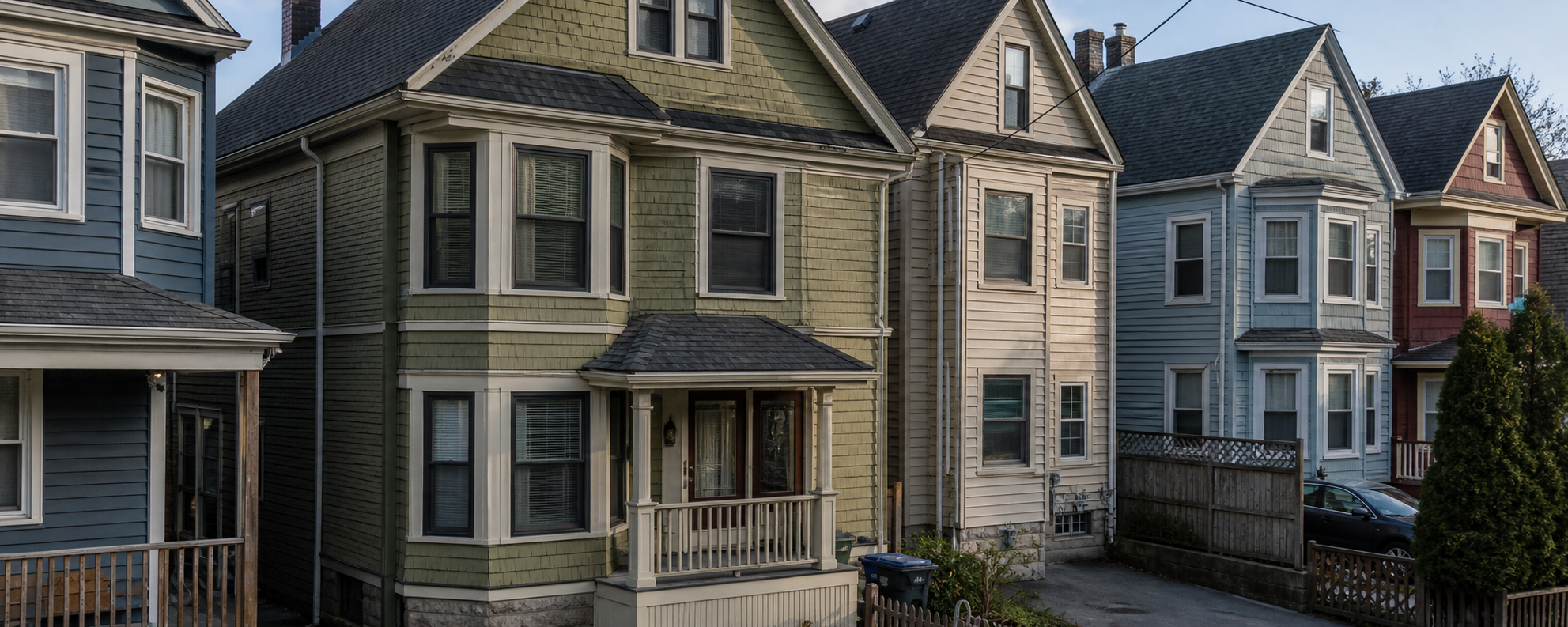
Not every Somerville rental sits on a lot with easy access on all sides. Attached and semi-attached homes often come with narrow side yards, shared structural relationships, and repair paths that are less straightforward than owners expect at first.
These buildings can perform well as rentals, but they reward owners who think ahead about access, sound transfer, water behavior, and the practical limits of working on a tight site.
Tight access changes repair logistics
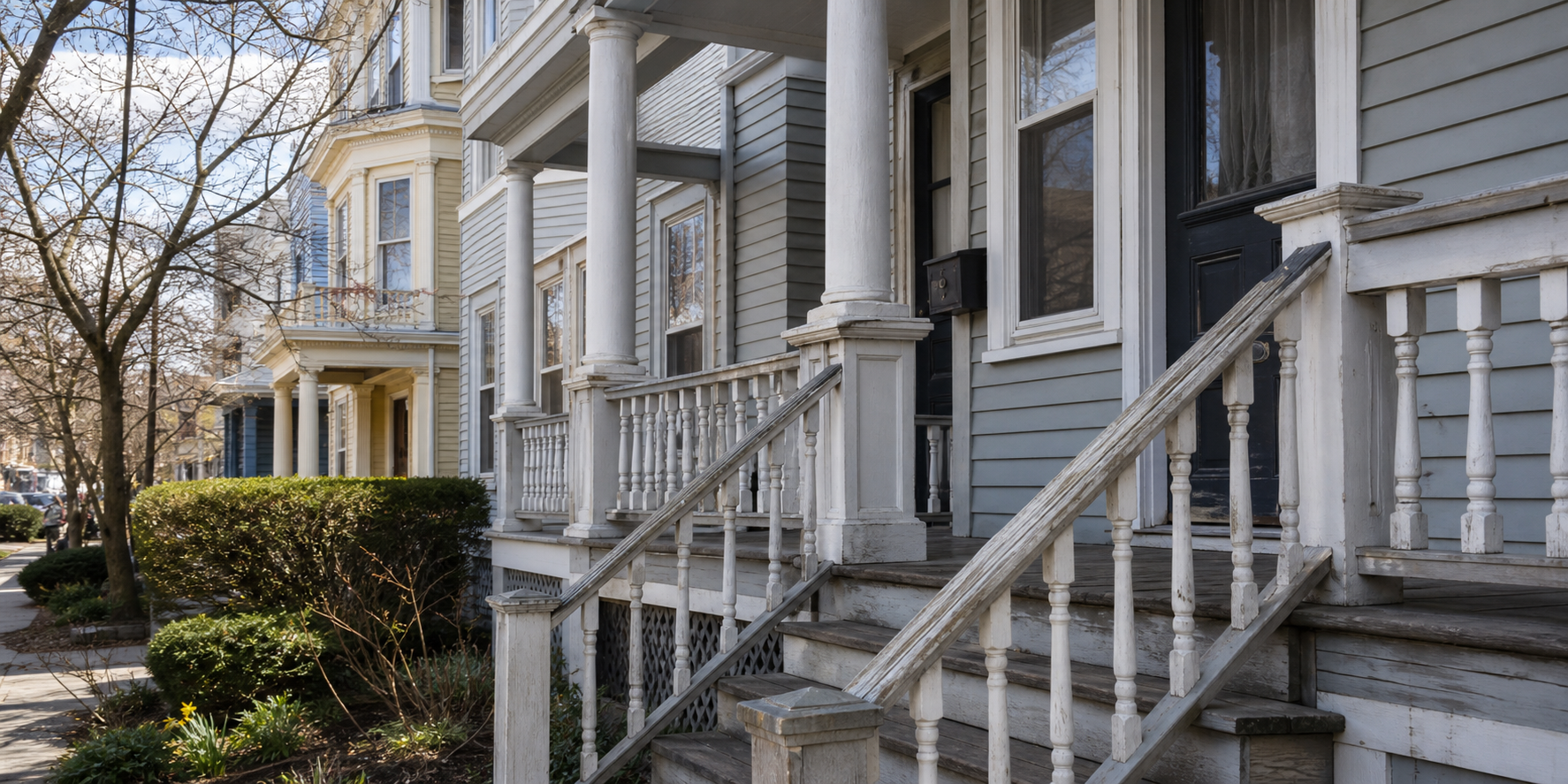
A repair that would be simple in a detached building may take more coordination when ladders, materials, or vendor entry have to move through narrow passages or occupied areas. That affects both cost and scheduling.
Owners benefit from documenting access constraints early so vendors are not discovering site limitations at the moment the work is supposed to start.
Exterior work needs realistic staging
Roof edge repairs, siding work, and drainage fixes often require more planning in tight urban lots because storage and movement of materials are limited.
Interior routes matter too
In some homes, utility access or repair paths may run through tenant-occupied spaces. Clear communication reduces the frustration that comes from repeated or poorly planned vendor visits.
Shared-wall living changes tenant expectations
Attached homes can produce more tenant questions about sound, odors, vibration, or how neighboring activity affects their unit. Even when the issue does not require a major repair, owners need a professional way to receive, document, and respond.
Tenants do better when they understand what is part of urban housing character and what deserves a maintenance follow-up.
Screen for fit at lease-up
A renter expecting a very quiet detached-house feel may not be the best match for every attached-home layout. Honest leasing can reduce later dissatisfaction.
Document recurring complaints
Repeated reports about one wall, one drain run, or one area of odor transfer can reveal building issues that deserve more than one-off responses.
Water management can get complicated quickly
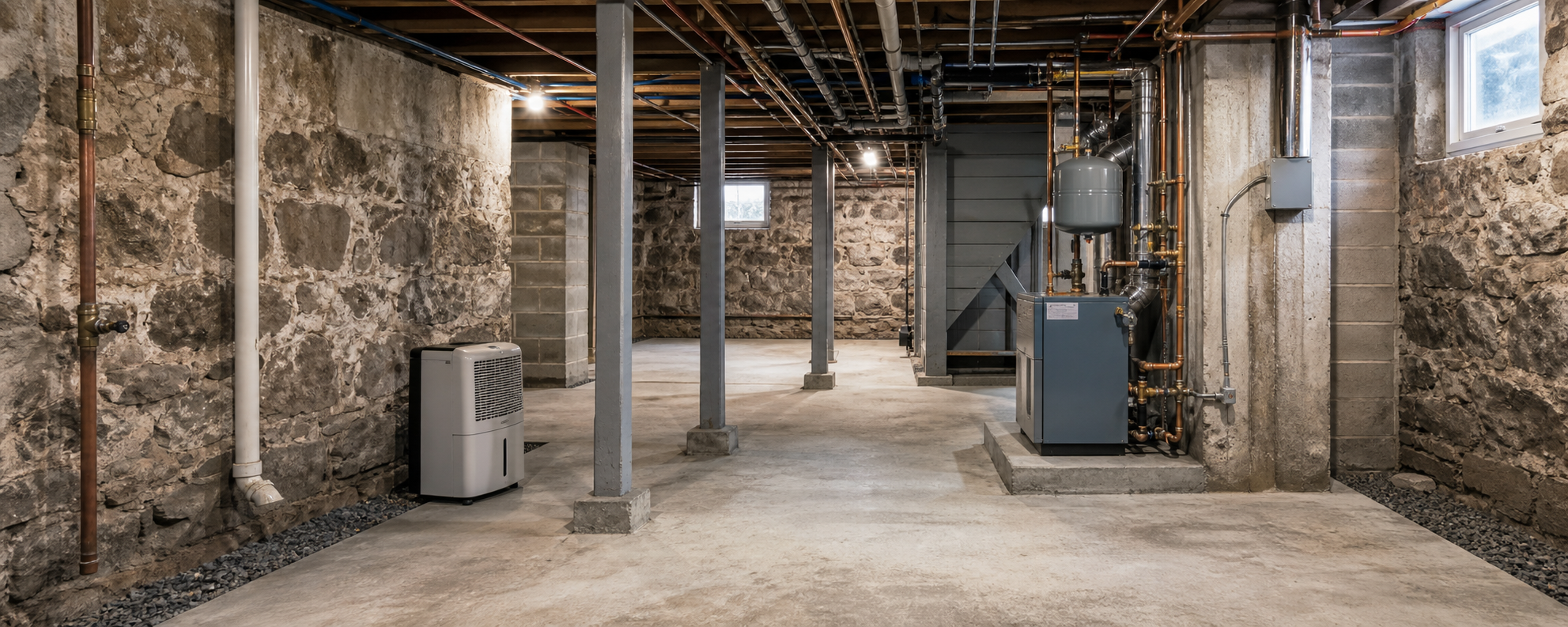
Rooflines, gutters, and grading in attached conditions often influence where water goes along property edges. When drainage is poor, the effects may appear in basements, side walls, or entry areas where repairs are harder to stage.
That is why owners should inspect water flow patterns carefully rather than waiting for visible interior damage.
Narrow side yards are easy to ignore
Because access is awkward, these areas can go unchecked for too long. They often deserve dedicated inspection notes rather than a quick glance.
Repeat dampness is a planning clue
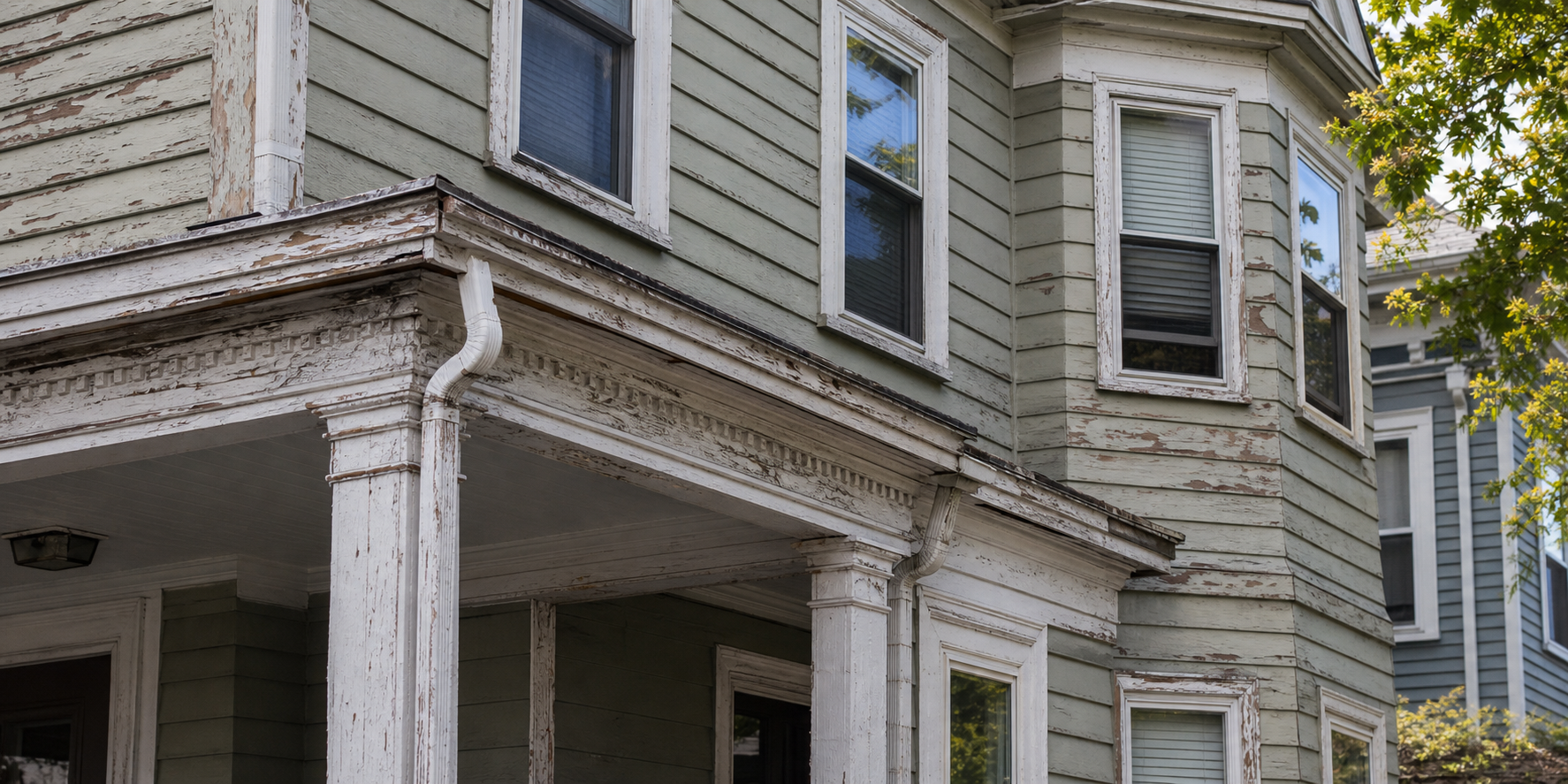
If the same edge of the building keeps showing moisture or trim deterioration, owners should look for a bigger drainage or envelope issue rather than just repainting.
Local management reduces coordination gaps
Attached properties often need tighter planning because the repair path is constrained and tenant communication matters more. A local manager can help schedule work, coordinate access, and keep owner decisions tied to the real condition of the site.
That level of structure becomes especially valuable when repairs are recurring or when the building has a history of neighbor-sensitive issues.
The file should explain the site
Property records should include photos, access notes, prior vendor observations, and any recurring quirks so the next repair starts with context.
Small fixes are easier when tracked well
Urban attached housing rewards consistency. A manager who keeps details organized can prevent repeat rediscovery costs on future visits.
FAQ
Why are attached homes harder to maintain as rentals?
They often involve tighter access, shared-wall sensitivities, more complex water paths, and tenant concerns that require better coordination and documentation.
What should owners inspect regularly in attached or semi-attached homes?
Owners should review roof edges, drainage paths, narrow side yards, shared-wall complaint patterns, and any access limitations that affect future repairs.
Can property management help with attached-home repairs?
Yes. Local management can improve vendor coordination, tenant communication, and recordkeeping for buildings where repair logistics are less straightforward.
Urban building types need urban planning
Attached homes can be strong rentals, but they require owners to manage space constraints and recurring building interactions more deliberately than detached properties often do.
If your property keeps generating hard-to-stage repairs, a local management review can help simplify the process.
Related owner pages