Somerville Basement Moisture Problems
Why basement moisture keeps becoming a rental management problem in older Somerville housing and how owners should plan around it.
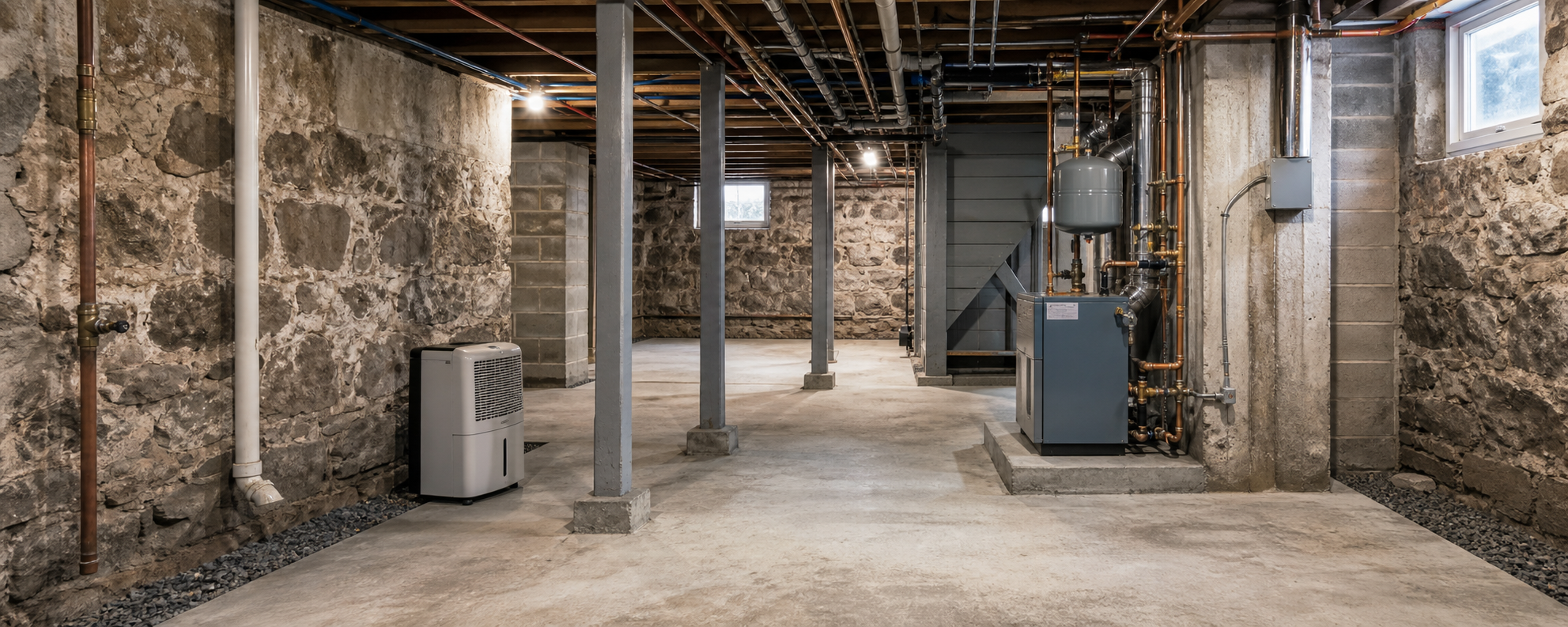
Many Somerville rentals live in older housing stock where the basement does far more than hold storage. It may contain heating equipment, water lines, electrical panels, laundry hookups, and the access path for multiple future repairs. When that basement stays damp, the whole building operation gets harder.
Moisture problems often show up gradually. A musty smell, soft cardboard boxes, surface staining, or recurring damp spots may not feel urgent in one moment, but they usually point to a maintenance pattern that deserves more than occasional cleanup.
Moisture affects more than appearance
Owners sometimes think about basement moisture as a cosmetic inconvenience. In rental housing, it is more serious because damp conditions can affect tenant confidence, maintenance access, stored materials, and the life of nearby building systems.
Even when the finished living spaces seem unaffected, a chronically damp basement can create odor concerns, make vendors reluctant to work comfortably, and hide the early signs of bigger drainage issues.
Mechanical access should stay usable
If a technician has to navigate pooled water, mildew smell, or cluttered damp storage to reach the boiler or water heater, routine service becomes slower and more expensive.
Storage rules matter
Tenants often assume basement storage is harmless until moisture damages boxes, fabric items, or furniture. Owners should communicate clearly about what basement areas are suitable and what limits apply.
Exterior water management often tells the story
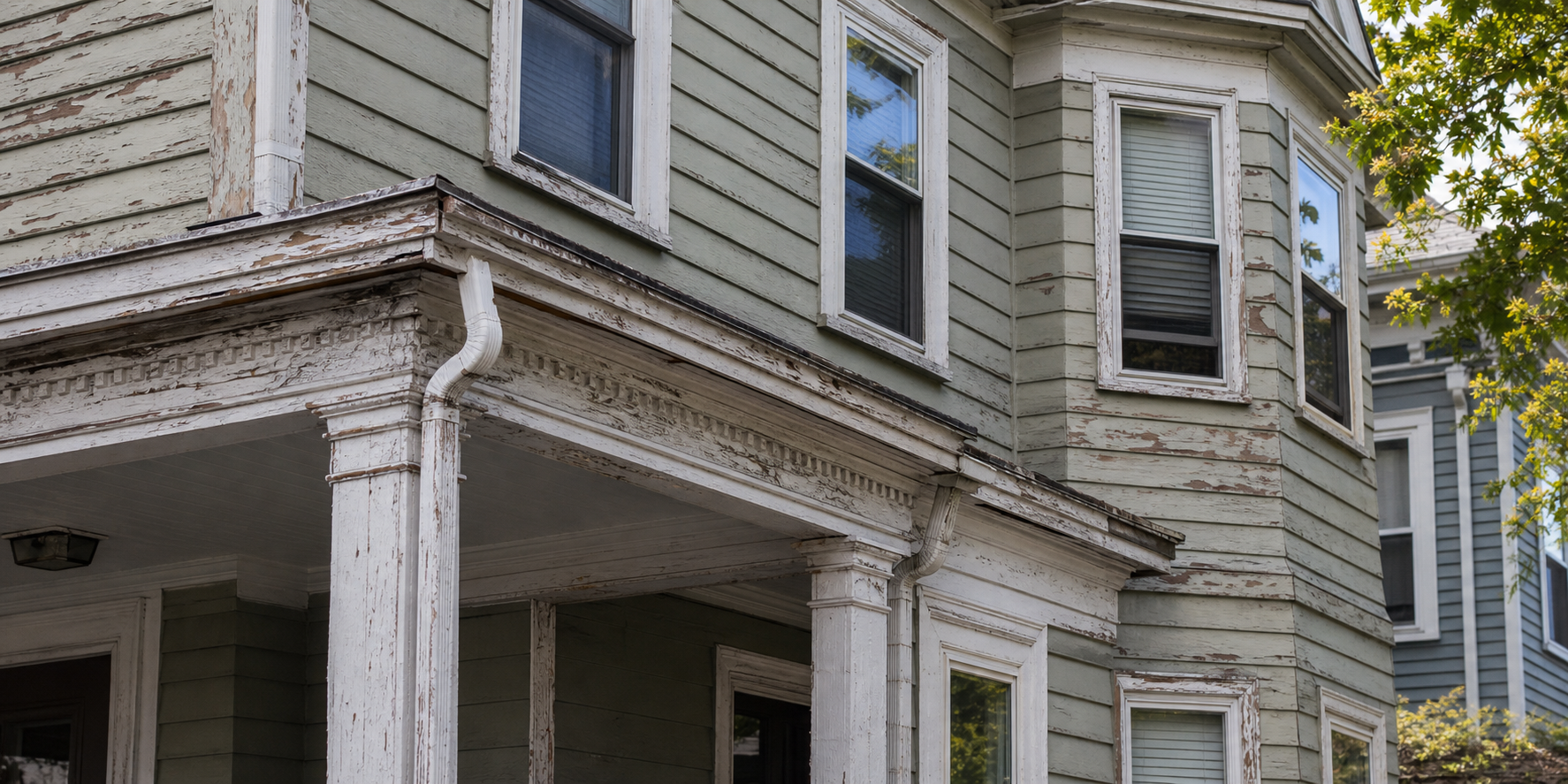
Many basement issues begin outside. Gutters that overflow, downspouts that dump close to the foundation, grading that holds water, or hardscape that sends runoff toward the structure can all contribute to recurring dampness inside.
That is why basement management should include exterior observation. Cleaning the interior without reviewing roof runoff and drainage paths leaves the root problem untouched.
Seasonal checks are worth documenting
The basement may behave differently after heavy rain, spring thaw, or winter ice buildup. Owners should note where moisture appears and what weather pattern tends to precede it.
Repeat vendor notes can reveal the pattern
Plumbers, waterproofing specialists, and HVAC vendors often notice recurring water-adjacent issues. Keeping those observations in the property record helps owners connect symptoms across separate visits.
Tenant communication should be specific
If basement areas are shared, tenants need clear direction about storage, reporting leaks, and avoiding blocked access to building systems. Vague rules create avoidable conflict when someone stores items in the wrong place or ignores the first sign of dampness.
Communication also matters because tenants often notice odor or humidity changes before the owner does. A simple reporting process can surface small issues earlier.
Define what tenants should report
Ask tenants to report standing water, strong odors, wet walls, visible seepage, failed dehumidification, or blocked drains rather than waiting to see if the issue fades on its own.
Protect access routes
Mechanical rooms, shutoff valves, and common utility pathways should not disappear behind storage piles. Clear access is part of basic building readiness.
Good records support better long-term decisions
A basement problem that returns each season is no longer a surprise. Owners should track when moisture appears, what repairs were tried, how the exterior was behaving, and whether any tenant complaint accompanied the event.
That record helps separate a short-lived incident from a building pattern. It also makes it easier to compare small repeated costs with a more structural fix.
Photos should show the same locations over time
Comparing images from the same wall, corner, or utility area can reveal whether the issue is stable, spreading, or tied to a seasonal trigger.
Use inspections to reset the space
Periodic inspections let owners clear blocked vents, remove deteriorated materials, check dehumidification, and keep the basement from becoming a forgotten zone.
FAQ
Why is basement moisture so common in older Somerville rentals?
Older foundations, drainage patterns, weather exposure, and utility-heavy basement use can all contribute to recurring damp conditions in Somerville housing.
Does basement moisture matter if the apartments look fine?
Yes. It can still affect odors, mechanical access, storage, maintenance costs, and the long-term condition of the building.
Can property management help owners track basement issues better?
Yes. A manager can document patterns, coordinate inspections and vendors, and tie moisture events back to larger maintenance planning.
Treat the basement as core infrastructure
In many Somerville rentals, the basement is too important to leave on autopilot. Moisture there affects access, planning, tenant communication, and future repair costs across the building.
If basement issues keep returning at your property, a local maintenance review can help turn scattered responses into a clearer plan.
Related owner pages