Massachusetts Rental Maintenance Checklist
A practical maintenance checklist for Massachusetts rental owners who want to protect property condition and reduce surprise repairs.

Maintenance is one of the easiest parts of rental ownership to postpone and one of the most expensive to ignore. Massachusetts landlords need a practical rhythm for seasonal upkeep, inspections, tenant communication, and vendor follow-up.
This checklist is built for rental owners who want a cleaner operating plan, whether they self-manage or work with a property manager.
In Greater Boston, the stakes are especially real because older housing stock, winter weather, tight tenant timelines, and local code expectations can turn small deferred items into expensive repairs or avoidable tenant frustration. A good checklist keeps the property moving from lease-up to renewal without relying on memory.
Before a tenant moves in
Confirm that smoke and carbon monoxide detectors are working, keys and locks are ready, appliances operate correctly, plumbing fixtures are not leaking, and heat, hot water, and electrical systems are functioning as expected.
Document condition with photos, confirm cleaning is complete, and make sure the tenant knows how to submit maintenance requests. The move-in period is also the right time to verify that window locks, exterior doors, lighting, handrails, and common-area access are in good working order.
Owners should also keep a clear record of what was checked before occupancy. That record is helpful if a tenant later reports a condition issue, and it gives the owner a better baseline for comparing future inspections or turnover photos.
Seasonal exterior checks
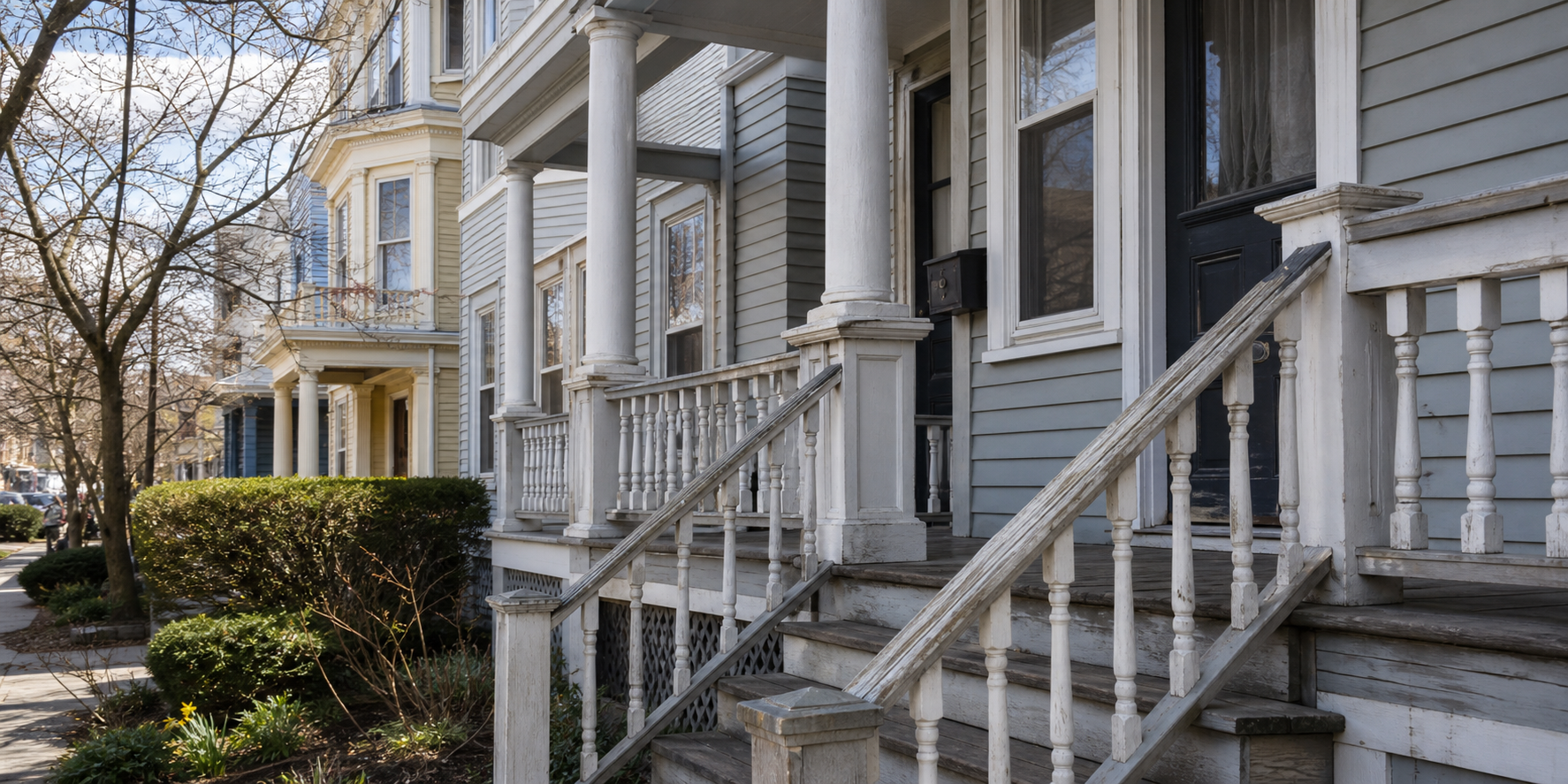
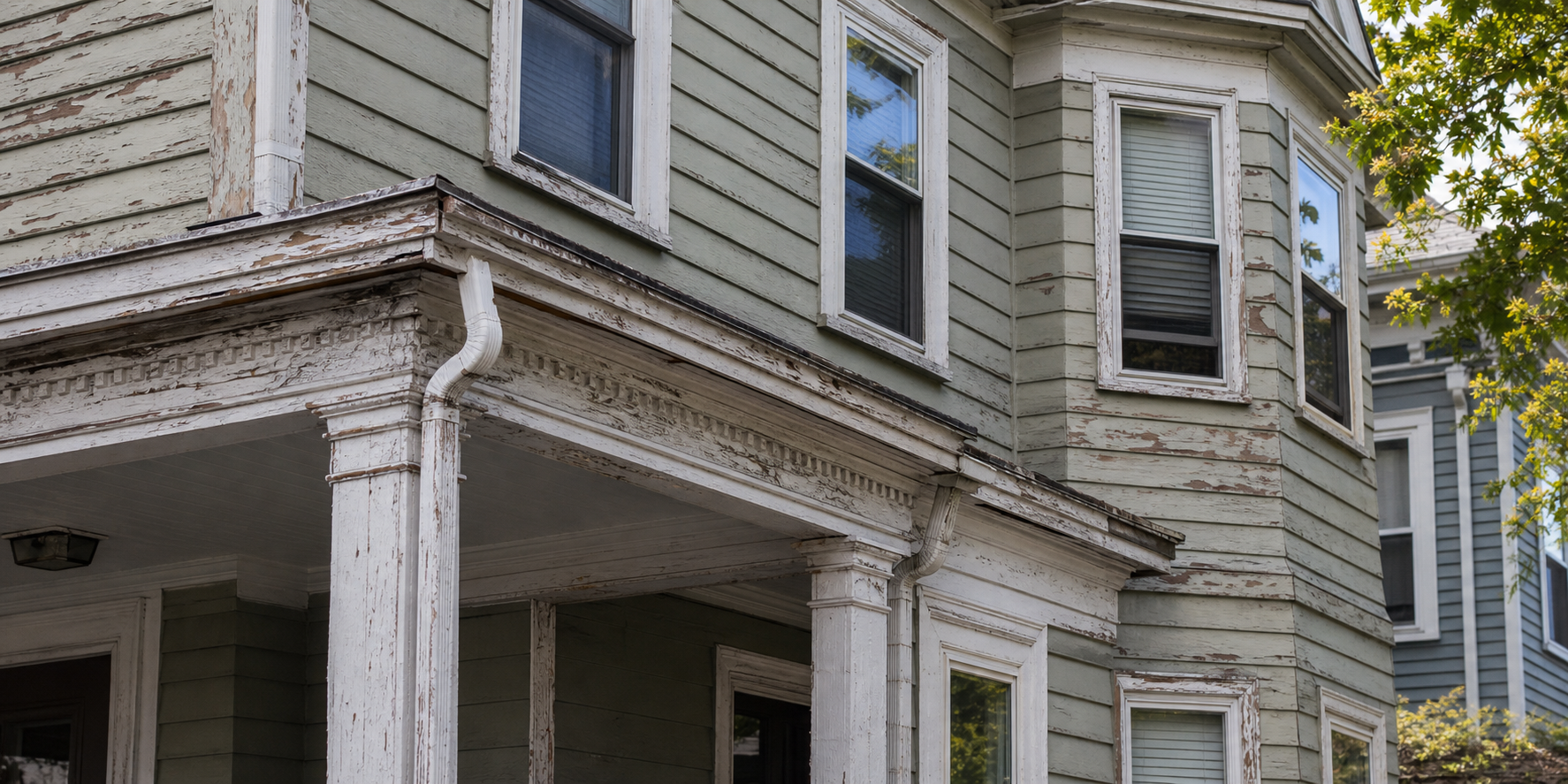
Review gutters, downspouts, exterior stairs, railings, walkways, grading, exterior lighting, and any visible roof or siding concerns. In colder months, owners should also plan for snow, ice, and freeze-risk communication.
Exterior issues can affect tenant safety, curb appeal, and long-term property condition, so they should not wait until turnover. Spring is a good time to look for winter damage, fall is the time to clear drainage paths, and winter calls for special attention to heat reliability, pipes, and access routes.
For multi-family properties, common areas deserve the same attention as the individual units. Walkways, exterior bulbs, mail areas, trash storage, and shared entrances are often the first places tenants notice whether the property is being actively managed.
Interior systems to monitor
Check for plumbing leaks, slow drains, moisture around windows, appliance issues, HVAC concerns, pest activity, and signs of tenant-reported problems that were never fully resolved.
A simple inspection rhythm helps owners catch patterns instead of reacting only when something breaks. Even quick visual checks can reveal recurring moisture, loose fixtures, worn caulking, leaking supply lines, damaged flooring, or appliances that are close to failure.
Interior maintenance is also about tenant experience. A minor issue that is handled quickly usually stays minor. A repeated slow response can become a renewal problem, a review problem, or a larger repair because the tenant stops reporting issues early.
Vendor and tenant communication
Maintenance works best when requests, approvals, scheduling, and completion updates are documented. Owners should know who is responsible for each step and what requires approval before work proceeds.
Tenants should also understand what counts as an emergency, how to report issues, and what follow-up to expect. A clear process reduces duplicate messages, missed appointments, and confusion about whether a repair is approved, scheduled, or complete.
For owners, the most important habit is keeping a single source of truth for maintenance history. Notes, invoices, photos, approval amounts, and vendor recommendations should be easy to find before the next repair decision is made.
Build a simple annual maintenance calendar
A strong maintenance plan is easier to follow when the recurring work is placed on a calendar. Owners can schedule HVAC service, gutter review, exterior walk-throughs, common-area checks, and lease-end inspections before they become urgent.
The calendar does not need to be complicated. The goal is to remove guesswork and make sure the same important items are not rediscovered every year during a tenant complaint, a vacancy, or a repair emergency.
If you work with a property manager, ask how they track recurring maintenance, how they document completed work, and how they decide when to recommend repair versus replacement. Those answers tell you a lot about whether the property is being managed proactively.
Make maintenance a system
A checklist is helpful, but the real value comes from using it consistently. Recurring inspections, organized records, and dependable vendor coordination can protect both the property and the owner experience.
For Greater Boston owners who want help staying ahead of repairs, professional maintenance coordination can turn scattered tasks into a managed process.
The best maintenance systems are not dramatic. They are steady, documented, and easy for tenants, vendors, and owners to follow. That is what keeps a rental property easier to own over time.
Related owner pages