Managing Rentals Near Union Square
A practical look at what changes for rental owners near Union Square, from tenant expectations to construction-era logistics and pricing clarity.
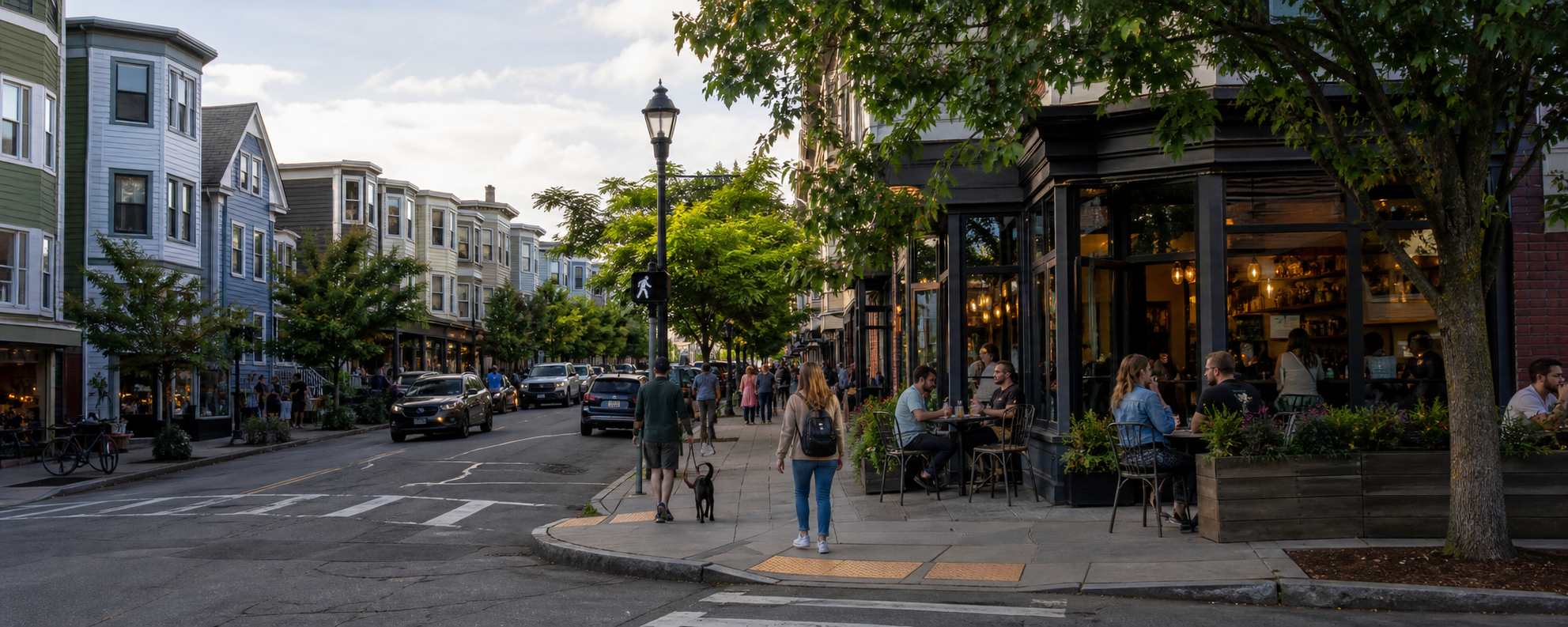
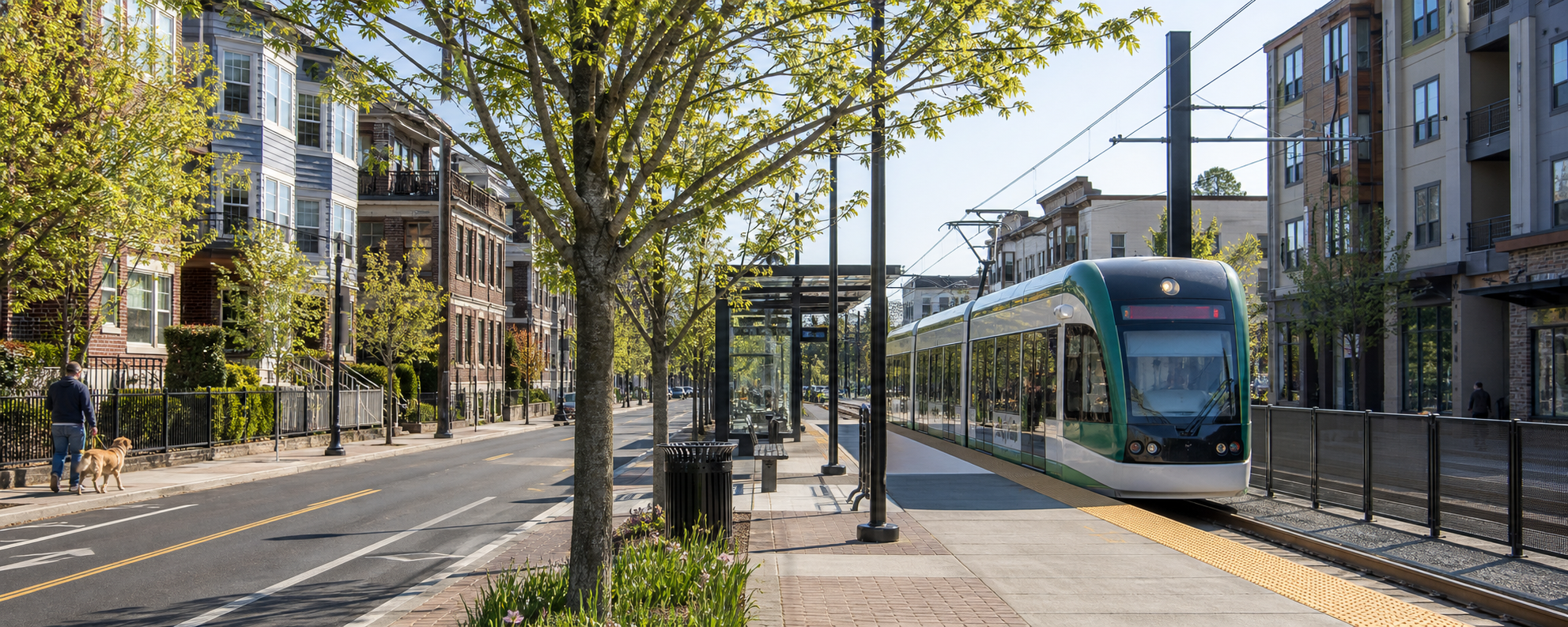
Union Square attracts renters who care about walkability, food options, transit access, and the energy of a neighborhood that feels active from morning through evening. That can be a major leasing advantage, but it also means owners need to understand what tenants are actually buying when they choose this part of Somerville.
A rental near Union Square has to be positioned with more nuance than a generic listing. Street noise, access, building condition, and exact block feel all influence whether the location reads as convenient or frustrating.
Location is a selling point, but only when framed honestly
Union Square can support strong inquiry volume because many renters want daily convenience and neighborhood identity. At the same time, owners lose credibility when listings oversell the lifestyle without explaining the realities of the specific block.
A building on a busy corridor, above commercial activity, or close to regular evening activity should be marketed clearly. Good leasing strategy here is not hype. It is matching the right renter to the right building.
Micro-location matters more than citywide averages
Two Union Square rentals can perform differently even when they have similar square footage. Entry condition, traffic exposure, parking, and the feel of the immediate block can shift both demand and tenant fit.
Photos need neighborhood context
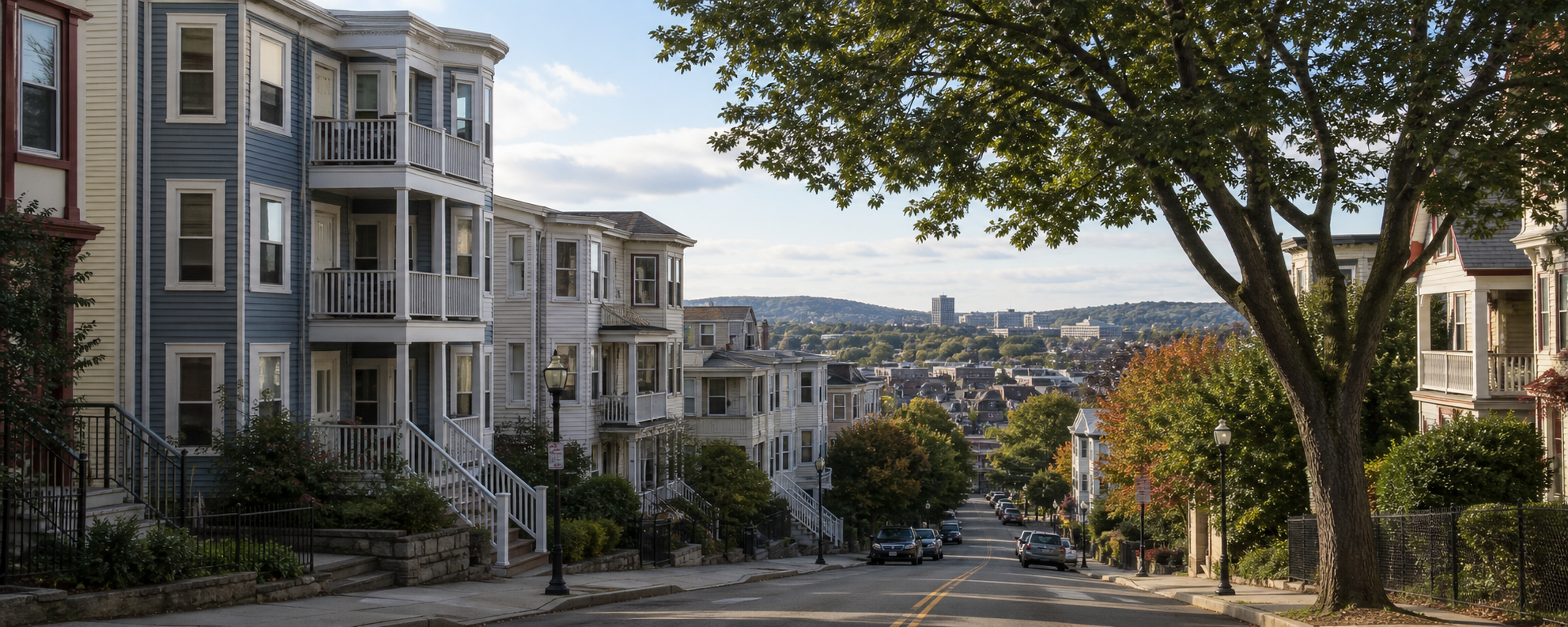
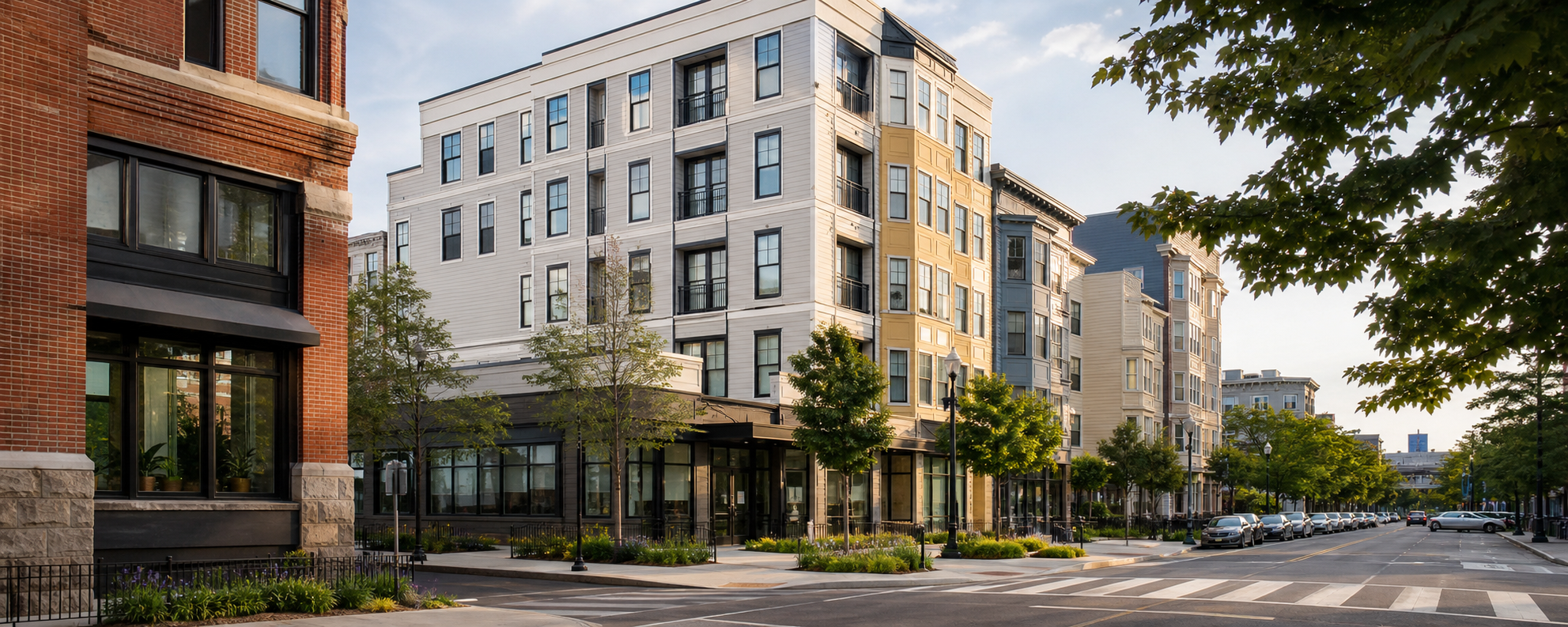
In this part of Somerville, exterior shots and street-adjacent visuals help renters understand what daily life looks like. That context reduces mismatched showings and leads to better-qualified inquiries.
Mixed-use surroundings create management work
Owners near active commercial zones often deal with loading activity, sidewalk congestion, trash timing, parking friction, and tenant questions about sound. None of that makes the property unmanageable, but it does require better communication before and after move-in.
Tenants who know what to expect usually settle in more smoothly. Tenants who feel surprised by the block often become renewal risks even if the apartment itself is strong.
Set expectations early
Leases, move-in notes, and listing copy should explain realistic parking conditions, pickup or delivery patterns, and any known quirks around trash, common entries, or shared access points.
Respond quickly to repeat complaints
If multiple tenants mention entry lighting, package handling, stair cleanliness, or exterior noise buffering, that is a property signal worth addressing. Small management improvements can protect otherwise strong locations.
Renewals depend on how the building supports the neighborhood
A renter who loves Union Square may still leave if the building operation feels inconsistent. Delayed repairs, weak trash management, or poor communication stand out more in a location where tenants have many alternatives nearby.
Owners should use renewal season to review whether the property experience actually matches the rent level. In active neighborhoods, that question becomes more important, not less.
Small building upgrades can improve retention
Better common-area lighting, cleaner entry presentation, easier package handling, and more predictable maintenance communication often matter more than cosmetic extras in a dense neighborhood rental.
Pricing should reflect both strengths and tradeoffs
A strong location does not erase drawbacks such as limited storage, older finishes, or no off-street parking. Smart renewals acknowledge the full tenant experience rather than assuming the neighborhood alone will carry the decision.
Owners need a strategy, not just a location pin
The best-performing rentals near Union Square are usually the ones where pricing, presentation, and operations are aligned. That means honest marketing, responsive tenant support, and capital planning that keeps the building competitive with its surroundings.
A manager who understands Somerville at the block level can help owners avoid blunt citywide assumptions and make more practical leasing and renewal decisions.
Use showing feedback as market research
Questions about noise, layout, parking, or entry quality reveal how renters are weighing the location. Owners should treat that feedback as operating data, not background noise.
Keep the narrative consistent
If a listing promises convenience and professionalism, the actual management process has to support that message from first inquiry through renewal.
FAQ
What makes Union Square rentals different to manage?
They often combine strong walkability and renter demand with busier streets, mixed-use surroundings, parking limits, and higher expectations for communication and presentation.
Should owners market Union Square rentals differently?
Yes. Listings should describe the immediate location honestly and explain the building features that make the area feel convenient, livable, and well-managed.
Can local property management improve tenant retention near Union Square?
Yes. Better communication, cleaner operations, and realistic renewal strategy can help owners keep strong tenants in a highly choice-driven part of Somerville.
Use the neighborhood well
Union Square can be a real rental advantage when owners manage the location with clarity instead of assumptions. Stronger marketing and cleaner operations usually produce better tenant fit and fewer renewal surprises.
If your Union Square rental needs a more local strategy, request a rental analysis to review pricing, operations, and tenant expectations.
Related owner pages