How GLX Changed Somerville Rental Strategy
What owners should understand about transit-driven demand shifts around Somerville rentals after the Green Line Extension.
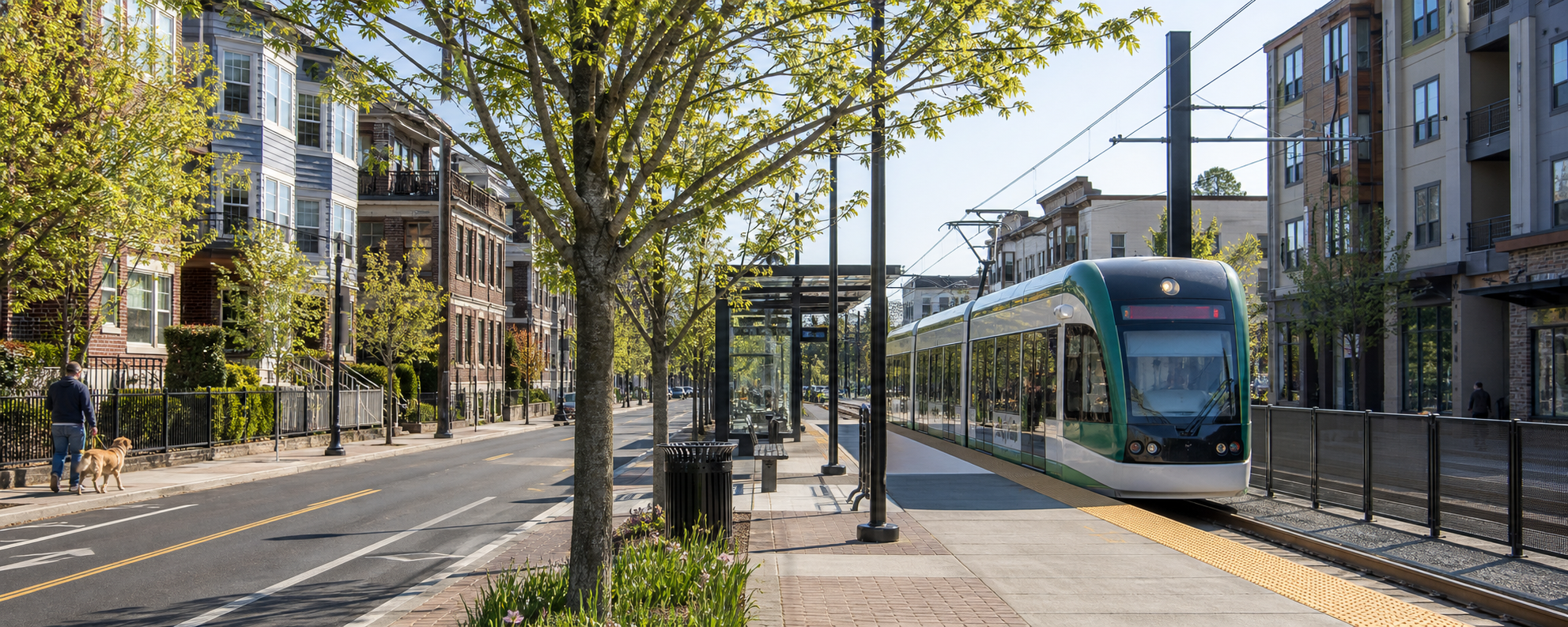
Transit has always shaped rental decisions in Somerville, but the Green Line Extension sharpened the way renters compare location convenience across different pockets of the city. Owners who still price or market these areas with old assumptions can miss both demand and tenant fit.
The point is not that every rental near a station automatically commands the same response. It is that transit access now influences the language renters use when evaluating daily life, commute flexibility, and neighborhood tradeoffs.
Transit changed the comparison set
Renters often compare neighborhoods based on how easily they connect to work, school, and the rest of Greater Boston. Better transit access shifts which blocks feel practical even when the housing stock itself has not changed dramatically.
That means owners should think carefully about who the likely renter is and what alternatives that renter is weighing. A station-adjacent rental may now compete against a wider set of properties than it once did.
Distance is not the only factor
Walkability to the station, hill grade, street feel, lighting, and how intuitive the route feels all influence whether transit access actually functions as a leasing advantage.
Listings should explain the route, not just mention it
Useful marketing frames transit access in practical terms, such as how the property fits a car-light routine, rather than using generic neighborhood claims.
Pricing needs neighborhood-level nuance
Owners sometimes overcorrect and assume that proximity to newer transit access justifies aggressive rent without regard to building condition, layout, or parking limits. In reality, transit is one variable in a larger renter decision.
Good pricing compares location strength against interior quality, exterior presentation, storage, laundry, and the overall building experience. That balance usually leads to steadier lease-up.
Transit can widen the audience
Better access often brings in renters who would not have searched that micro-area before. Owners should make sure the listing and showing process answer the questions those renters are most likely to ask.
Renewal strategy should account for the new context
Tenants who chose the location partly for transit convenience may value that access enough to renew, but only if the building operation remains dependable.
Operations need to match the promise of convenience
When a rental is marketed around location efficiency, the management experience has to feel efficient too. Delayed maintenance, confusing communication, or avoidable showing chaos undermine the same convenience story the location is supposed to support.
This is where local management adds value. A clean move-in, clear repair process, and realistic renewal timeline help align operations with what the location suggests.
Transit-oriented tenants often notice friction quickly
Renters who value convenience tend to be sensitive to avoidable hassle. Parking confusion, access delays, and poor scheduling stand out more when the rest of their housing choice was made around simplicity.
Turnover planning still matters
Even in high-demand locations, owners should not assume the next lease signs itself. Better pricing, presentation, and timing still influence whether the vacancy window stays short.
Think beyond the station label
The most useful approach is not to reduce a property to a transit headline. Owners should look at how the station access interacts with the building type, block condition, street activity, and likely renter profile.
A local manager can help translate that context into better marketing, stronger screening, and more defensible renewal decisions.
Neighborhood identity still matters
Transit access does not erase the differences between Ball Square, East Somerville, Winter Hill, or other local pockets. Renters still respond to block feel and building type in very specific ways.
The goal is fit, not hype
The strongest lease outcomes come from matching the right renter to the right location rather than trying to sell every transit-adjacent unit with the same script.
FAQ
Did the Green Line Extension change how owners should market Somerville rentals?
Yes. Transit access now shapes renter comparisons more directly, so listings and pricing should reflect the property's exact location and route convenience.
Does transit access always justify higher rent?
No. Transit helps, but rent still depends on condition, layout, parking, storage, and the full tenant experience of the property.
Can property management help owners near GLX stations?
Yes. Local management can improve pricing, showing strategy, tenant communication, and renewals in transit-sensitive micro-markets.
Use transit context precisely
GLX changed how many renters think about Somerville geography. Owners who respond with neighborhood-level pricing and cleaner operations are usually in a better position than owners who rely on broad assumptions.
If your rental sits near a transit corridor and pricing feels unclear, a local rental analysis can help calibrate the strategy.
Related owner pages