How City Change Affects Small Rental Owners
How ongoing city change in Somerville affects small rental owners through tenant expectations, property positioning, and operating choices.
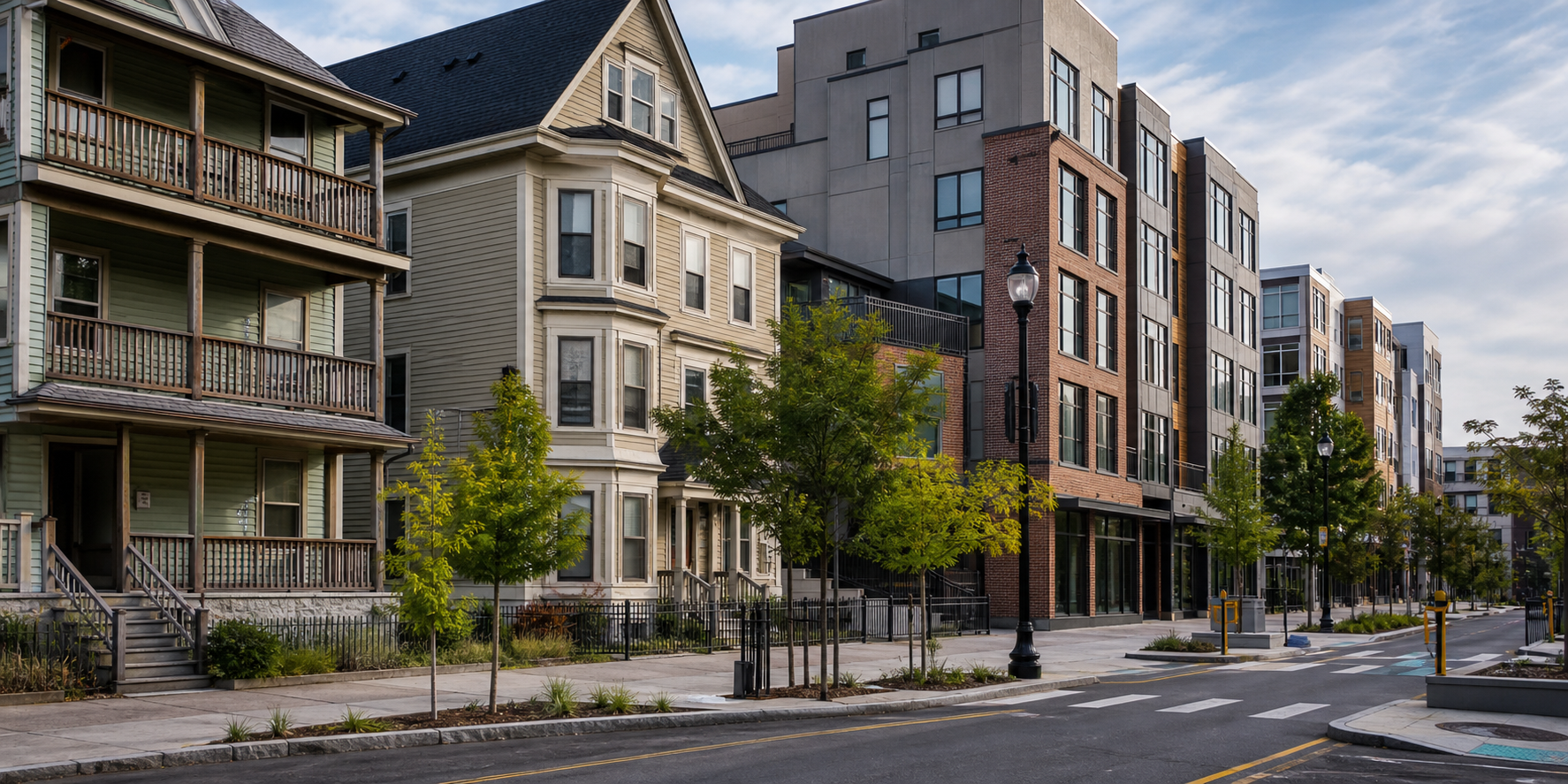
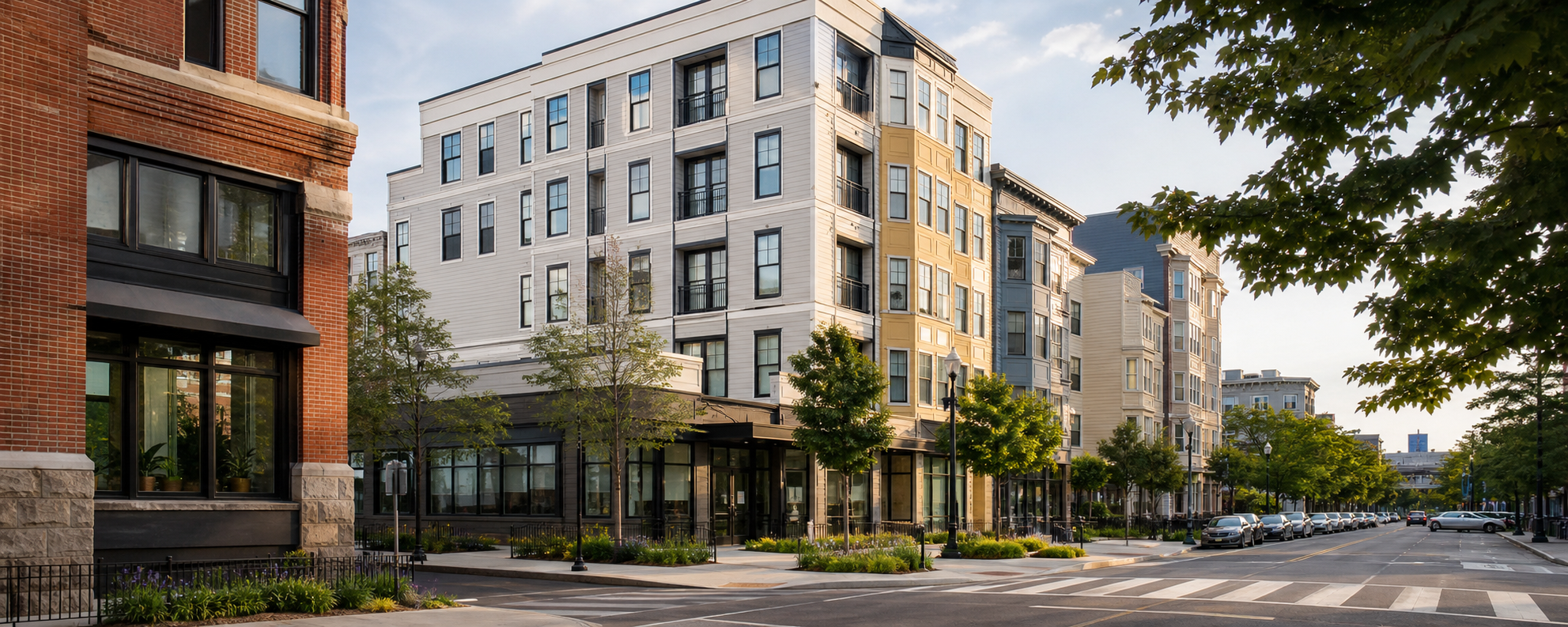
Somerville continues to change in ways renters notice quickly: how streets feel, where commercial activity clusters, how easy some areas are to navigate, and what kinds of housing experiences are available nearby. Small rental owners do not need to mirror every new building type to stay competitive, but they do need to understand how the comparison set is shifting.
The real risk is not simply that the city changes. It is that an owner keeps operating the property with assumptions that no longer match what tenants expect from the surrounding area.
Neighborhood change resets renter expectations
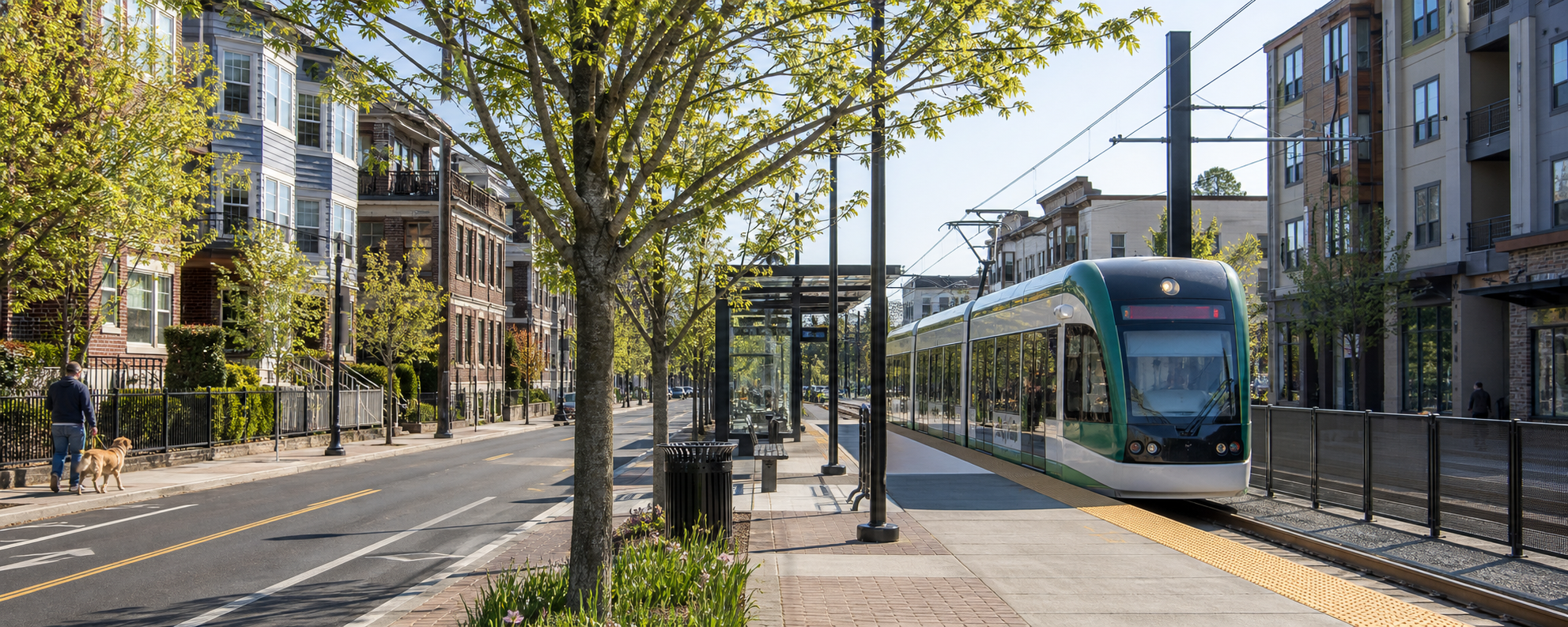
When streets feel more active, transit patterns improve, or commercial nodes strengthen, renters may start expecting clearer location value, more polished presentation, or a smoother management experience. Those expectations can influence even older properties nearby.
That does not mean every small owner must renovate aggressively. It means the property should be honest, well-maintained, and clearly positioned within the new local context.
Comparison happens at the block level
Renters compare the property not only to nearby apartments but also to how the area itself now feels and what that suggests about convenience, upkeep, and housing choice.
Older housing can still compete
Character-rich rentals perform well when the owner pairs neighborhood appeal with strong operations and visible maintenance discipline.
Pricing without context becomes riskier
As the city evolves, some owners anchor too heavily to neighborhood buzz while others underprice because they assume older housing cannot compete. Both reactions can miss the actual tenant decision process.
Better pricing comes from understanding how the building type, condition, and management quality fit into the renter's updated map of the area.
The property story must stay coherent
If the listing suggests a polished urban experience, the building's entry, common areas, and communication process should feel consistent with that message.
Micro-location still matters
Citywide change does not flatten all differences. Block feel, transit route, and housing type still shape whether a specific rent level feels justified.
Operations become part of competitiveness
In a changing city, tenants often have more reference points for what organized housing feels like. Slow maintenance, weak common-area upkeep, or unclear renewals can stand out more sharply when surrounding options feel more professional.
For small owners, this is often where management support creates the most practical value. Better systems can protect competitiveness without requiring a complete property overhaul.
Communication can offset building age
An older rental with strong communication and responsive upkeep can outperform a better-looking property that feels disorganized.
Reporting helps owners adapt earlier
Showing feedback, renewal results, and repeat tenant questions can all reveal how local expectations are shifting before performance drops significantly.
Small owners need a selective response, not panic
The right response to city change is usually selective improvement: sharpen pricing, tighten leasing language, fix visible exterior drift, improve maintenance follow-up, and invest where the property's specific weaknesses are most costly.
Owners who choose those moves intentionally often stay competitive without chasing trends that do not fit the building.
Focus on trust-building upgrades
Entry condition, lighting, storage usability, and consistent communication often matter more than decorative changes when renters are comparing everyday livability.
Use local management as a feedback loop
A manager working across Somerville can help interpret which city changes are actually affecting your renter pool and which are mostly noise.
FAQ
How do city changes affect small Somerville rental owners?
They often shift renter expectations around convenience, presentation, and management quality, which can change how tenants compare older properties to newer alternatives nearby.
Do small owners need to renovate aggressively to keep up?
Not necessarily. Many properties stay competitive through better positioning, stronger maintenance discipline, and selective upgrades that improve the lived experience.
Can property management help owners adapt to neighborhood change?
Yes. Local management can use pricing, tenant feedback, renewals, and maintenance history to help owners respond more deliberately.
Respond to change with better operating choices
Somerville's ongoing changes matter because they reshape how renters interpret older housing and neighborhood value. Small owners do best when they answer that shift with clarity and operational discipline.
If the market around your property feels different than it did a few years ago, a local rental analysis can help identify the adjustments that matter most.
Related owner pages