How Neighborhood Identity Affects Marketing
Why renters search for Somerville neighborhoods, not just city names, and how owners should market accordingly.

Many renters do not search for a generic Somerville apartment. They search for a neighborhood feel, a commute pattern, or a daily routine that fits a specific part of the city. Owners who market every property with the same citywide description miss that distinction.
A stronger listing explains where the property really sits in the renter's mental map and how that location interacts with the building itself. That usually attracts more serious prospects and fewer mismatched showings.
Neighborhood labels shape who clicks
A renter thinking about Davis, Union, Ball, Winter Hill, or East Somerville may be looking for different transit habits, street energy, parking expectations, or housing styles. A generic city label does not capture that.
Owners do not need to overbrand a location. They need to describe it in a way that helps the right renter understand why the property may fit.
Daily-use language works better than hype
Terms related to walkability, transit routes, nearby commercial nodes, or quieter side-street feel often help renters more than broad claims about lifestyle.
Micro-location should match the building type
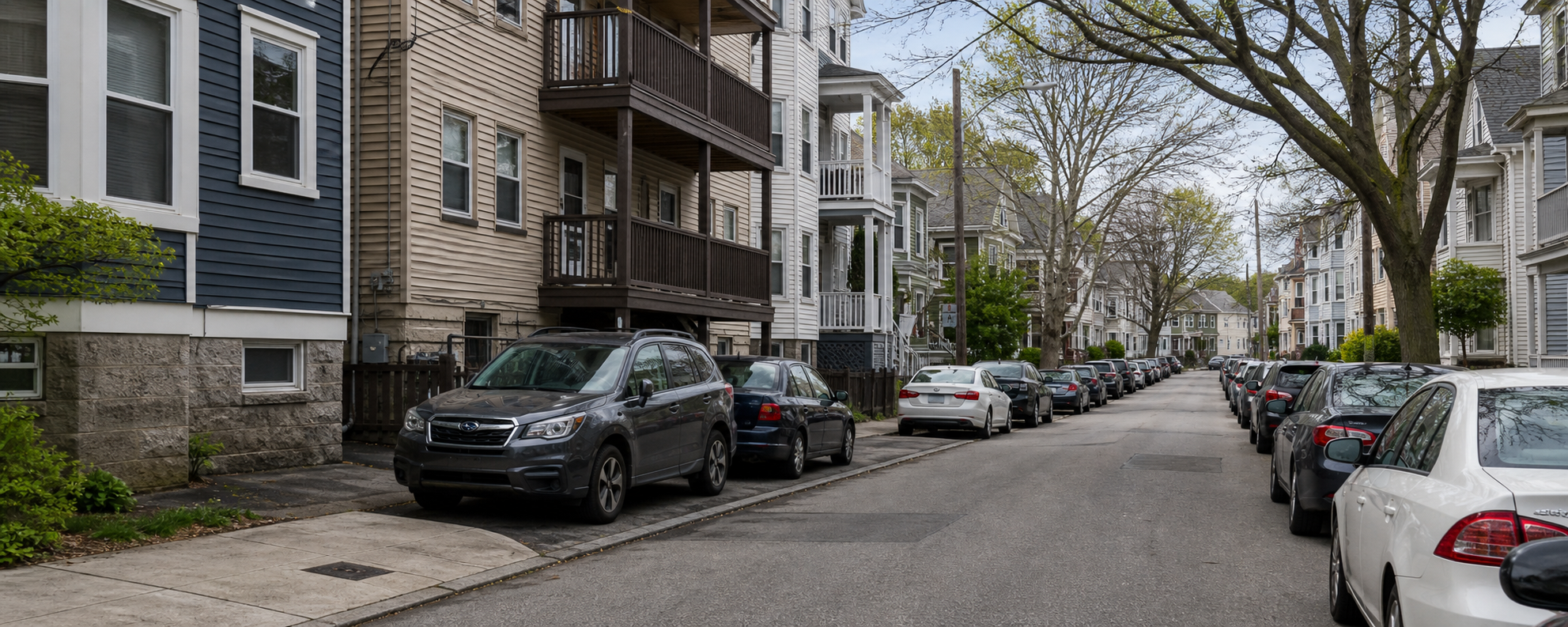
A triple-decker near a busy square should not be marketed the same way as a quieter condo rental on a residential block, even if both share a Somerville mailing address.
Neighborhood context changes how unit tradeoffs are judged
Renters may accept smaller square footage, limited parking, or older finishes if the neighborhood context offers the right convenience or feel. The same tradeoffs may be less acceptable in a different micro-market.
Owners should think about what the location genuinely compensates for and what it does not. That keeps pricing and listing copy grounded.
The block matters as much as the district
Street noise, entry visibility, and how the building meets the sidewalk all influence the experience in ways a broad neighborhood tag cannot explain by itself.
Photos should support local framing
Exterior shots, nearby streetscape context, and practical details can help renters place the property more accurately before they visit.
Local marketing also improves screening
Better neighborhood framing does not just improve clicks. It helps prospects self-select based on their real habits and expectations. That usually reduces later disappointment about parking, noise, commute style, or building type.
The right listing narrows the field in a productive way. It does not try to appeal equally to every renter searching within city limits.
Questions during showings reveal positioning quality
If prospects arrive surprised by the block or nearby activity, the listing likely failed to frame the location well enough.
Good screening starts before the application
Accurate location context helps owners and managers spend time on renters who already understand the property's most important tradeoffs.
A local manager can translate place into strategy
Owners who do not work in the market daily may know the address but not the renter narrative attached to that area. A local manager can help turn neighborhood nuance into better pricing, listing copy, and showing language.
That does not mean inventing a story. It means describing the property with the local specificity renters are already using when they compare options.
Marketing and operations should align
If the listing sells convenience, the move-in and maintenance process should feel organized enough to support that promise.
The best listings reduce mismatch
Neighborhood-aware marketing is valuable because it raises the odds that the tenant who signs is also the tenant who stays.
FAQ
Why does neighborhood identity matter so much in Somerville rental marketing?
Renters often evaluate the city through neighborhood feel, transit access, block conditions, and daily routine, so generic citywide marketing misses how they actually compare options.
Should owners use neighborhood names in listing copy?
Yes, when the description is accurate and tied to the actual property experience rather than broad branding language that could fit anywhere.
Can property management improve rental marketing locally?
Yes. Local management can sharpen pricing, neighborhood framing, and showing language so the property attracts renters who better match the location.
Describe the place the renter is choosing
Somerville marketing gets stronger when owners stop writing for a generic city search and start describing the actual neighborhood, block, and building experience a renter will get.
If your listing traffic feels broad but not qualified, a local rental analysis can help tighten the positioning.
Related owner pages