Pricing Somerville Apartments With Better Comps
A local framework for pricing Somerville apartments without relying on weak comparisons or broad citywide assumptions.
Somerville pricing gets distorted when owners rely on broad averages or pull a few nearby listings without asking whether those units actually compete with their property. The result is often an asking rent that looks plausible online but performs poorly in the market.
Good pricing is not just a spreadsheet exercise. It is a local interpretation problem. Owners need to compare how a renter experiences the property, not only how many bedrooms appear in the listing.
A comp is only useful if the renter sees it as an alternative
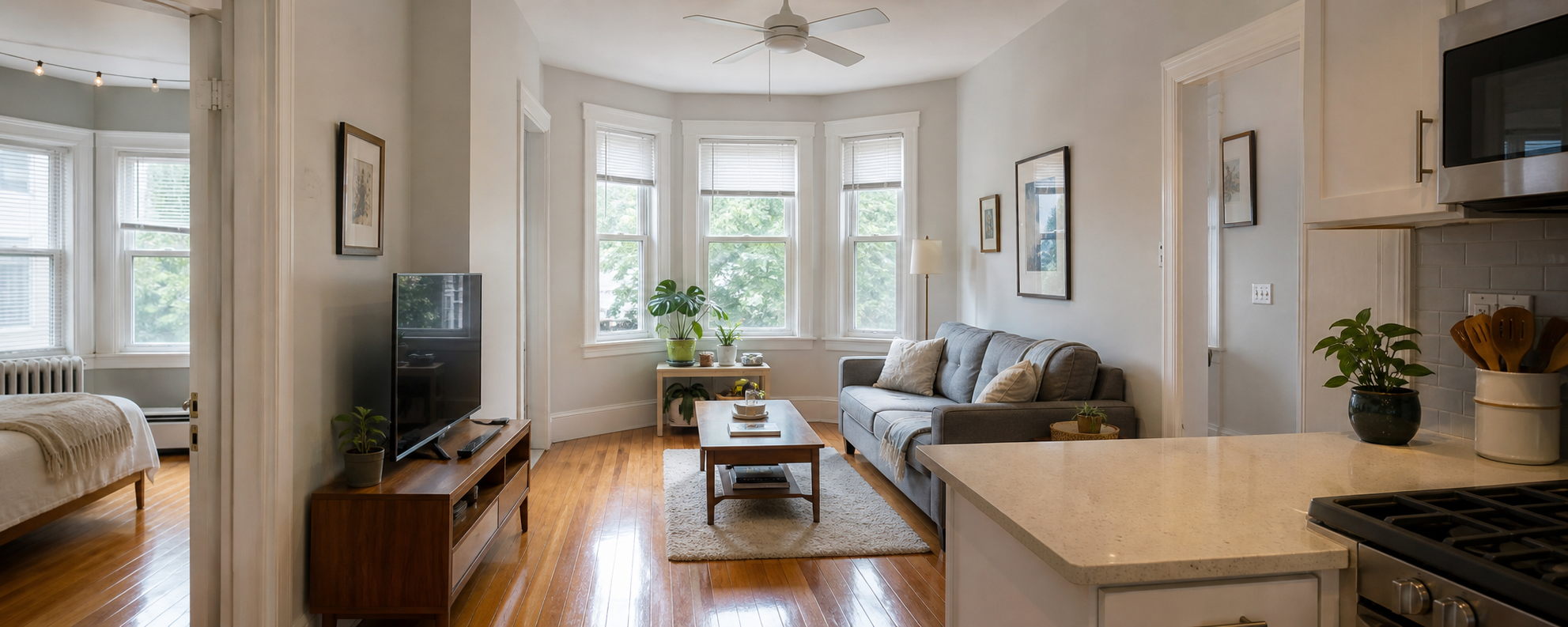
Two units may share the same bedroom count and still attract different renters because of layout, neighborhood feel, laundry setup, parking, or work-from-home usability. If the renter would not genuinely cross-shop the properties, the comp is weak.
This is especially true in Somerville, where small geographic shifts can change daily convenience and where older housing stock can vary widely in function even at similar sizes.
Layout can outweigh square footage
A compact but efficient apartment can lease better than a larger awkward one if storage, room proportions, and circulation are easier to live with.
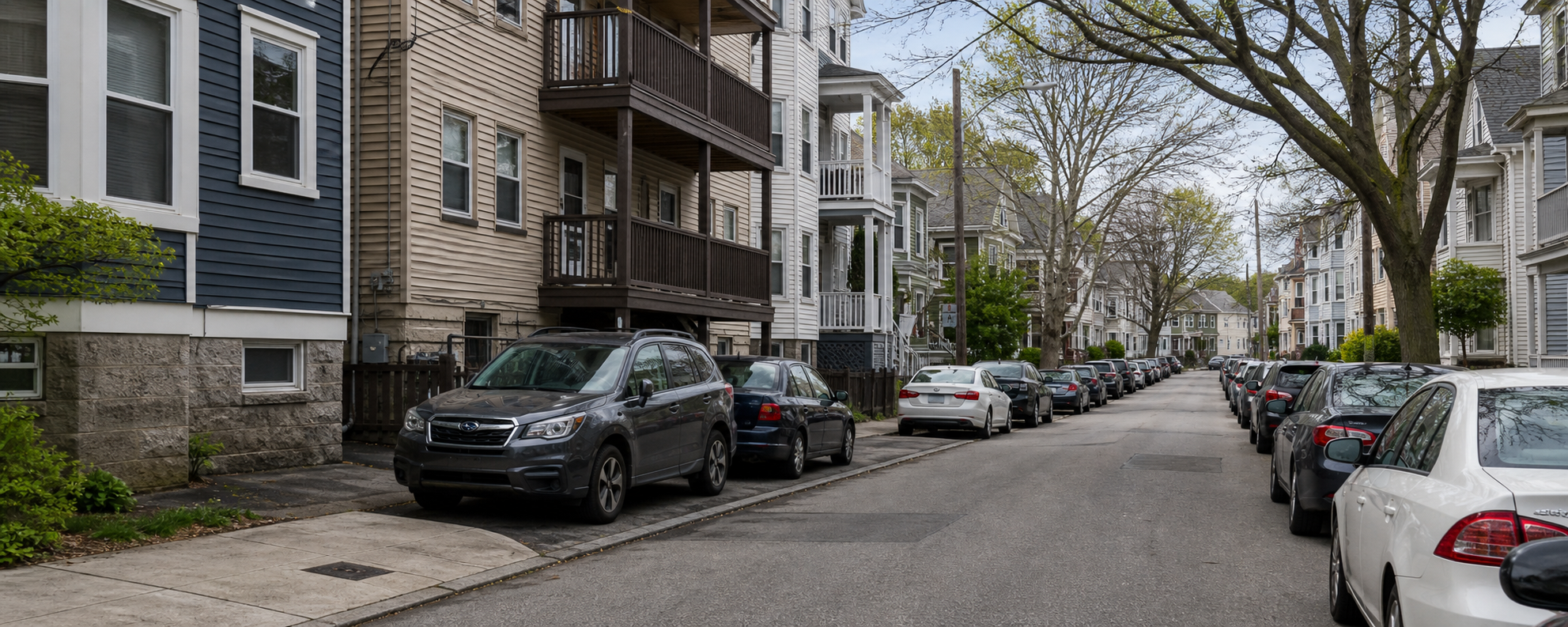
Street feel changes perceived value
A quieter side street, easier entry sequence, or more pleasant block often affects inquiry quality and tenant confidence before the unit itself is fully evaluated.
Parking, laundry, and storage move rent more than owners expect
Owners sometimes focus heavily on finishes while underestimating how much day-to-day convenience shapes decisions. In dense neighborhoods, parking, on-site laundry, bike storage, and usable closets can materially affect how prospects compare units.
A pricing model that ignores those practical elements can push the property into the wrong competitive set.
Do not smooth over functional drawbacks
If the unit has no parking, a narrow galley kitchen, or limited storage, those tradeoffs should be acknowledged in the pricing decision rather than hidden under neighborhood demand.
Convenience features deserve explicit credit
Likewise, a clean shared laundry setup, easy basement storage, or reliable off-street parking can support rent better than owners sometimes assume.
Showing feedback is pricing data
Prospects often reveal the real comparison set through their questions. If several people ask about work-from-home setup, storage, driveway use, or street noise, that feedback is telling the owner what matters in the leasing decision.
Owners should treat those comments as pricing evidence, not casual opinion. They show where the market sees the property's strengths and limits.
The first week matters
Early showing volume, quality of inquiries, and the kinds of objections people raise can tell owners whether the pricing is aligned before a listing sits too long.
Renewal history adds context
If strong tenants consistently renew or consistently leave over specific frustrations, that history should influence future pricing more than a generic citywide metric.
Local management improves price discipline
A local manager can help owners avoid the common pricing mistake of anchoring to the highest visible listing instead of the most relevant comparable. That usually leads to better positioning and fewer reactive price changes.
The goal is not simply to lease fast. It is to price with enough accuracy that the listing attracts the right prospects and supports a stable tenancy.
Micro-market awareness matters
Knowing how Davis, Winter Hill, Union, East Somerville, or Ball-adjacent properties are actually being received helps sharpen the comp set considerably.
Pricing is part of operations
A property that is consistently mispriced usually creates downstream management stress in the form of rushed lease-ups, weaker tenant fit, or unnecessary turnover.
FAQ
What makes a rental comp useful in Somerville?
A good comp matches neighborhood feel, layout practicality, parking, laundry, storage, and the kind of renter likely to consider both units.
Should owners use citywide average rent numbers to price a unit?
Not by themselves. Broad averages can miss the micro-location and functional details that actually shape how a specific Somerville apartment performs.
Can property management help set rent more accurately?
Yes. Local pricing support can combine comparable listings, showing feedback, and neighborhood context to produce a more defensible asking rent.
Price for real comparison, not wishful comparison
Somerville apartments lease best when owners compare them to the units renters would actually cross-shop, not to whatever listing looks most optimistic online.
If rent setting has felt inconsistent, a local rental analysis can help rebuild the comp framework around the property's real strengths.
Related owner pages