Somerville Architecture That Creates Headaches
Which common Somerville architectural features create recurring maintenance and management complications for rental owners.
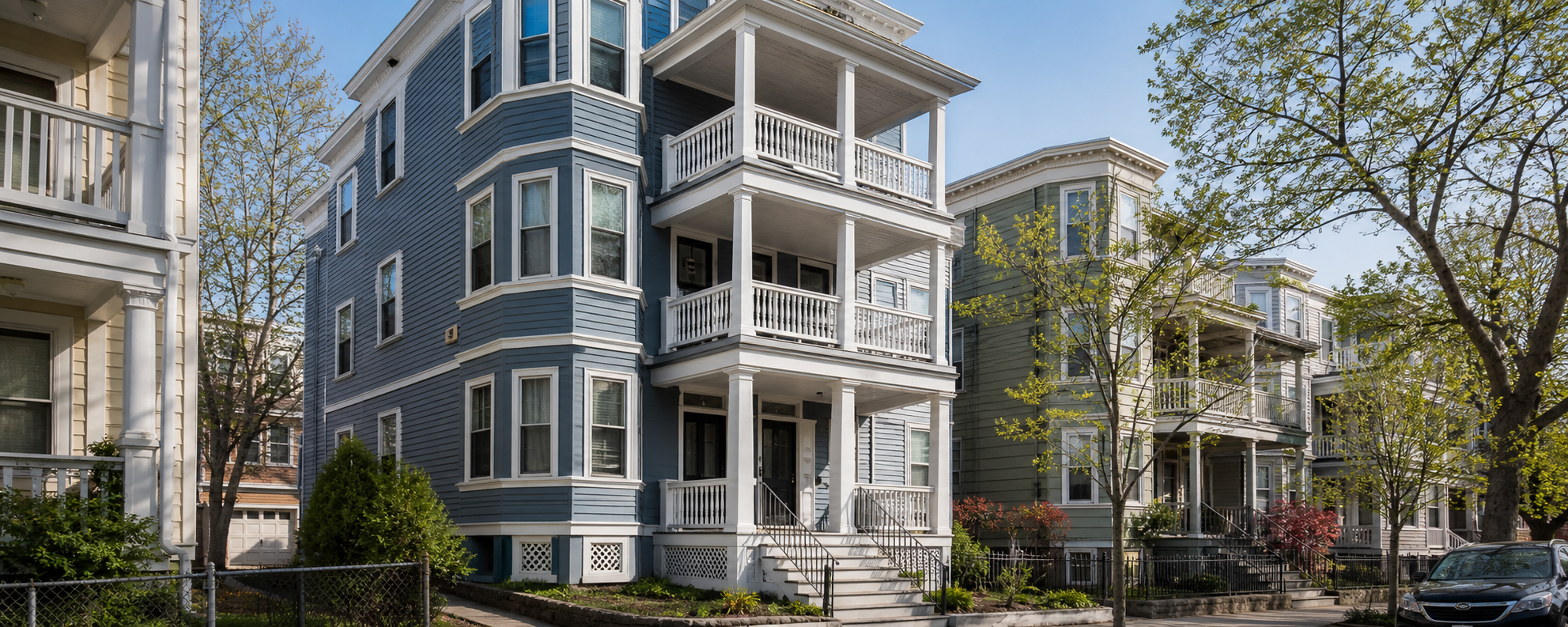
Somerville housing has character because many buildings carry older architectural details that newer construction does not. For rental owners, that character can be a real leasing strength, but it also comes with recurring maintenance work that is easy to underestimate.
The issue is not that older architectural features are a problem by themselves. The issue is that they often require more observation, more precise repairs, and better timing than simplified modern assemblies.
Decorative features often become water-management issues
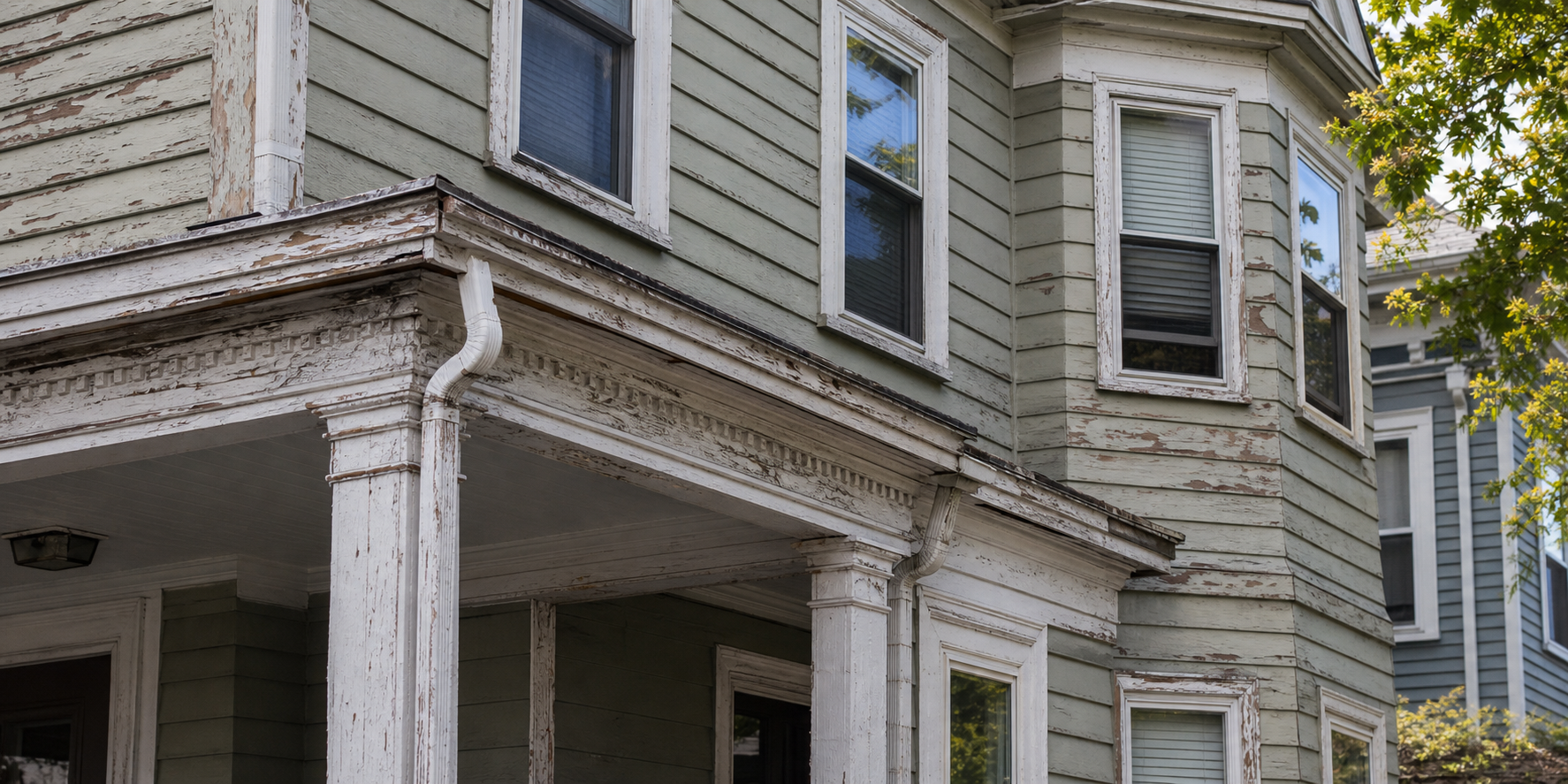
Bay windows, trim transitions, roofline changes, and exterior projections can create edges where water behaves differently. Those are often the same places where paint fails sooner or where small leaks begin quietly.
Owners who see these features only as style elements may miss their maintenance role. In older housing, design details and durability are tightly connected.
Bay windows need more than curb-appeal attention
They can affect interior comfort, exterior paint cycles, and the complexity of repair staging. Monitoring joints, trim, and surrounding drainage is worth the effort.
Transition points deserve close inspection
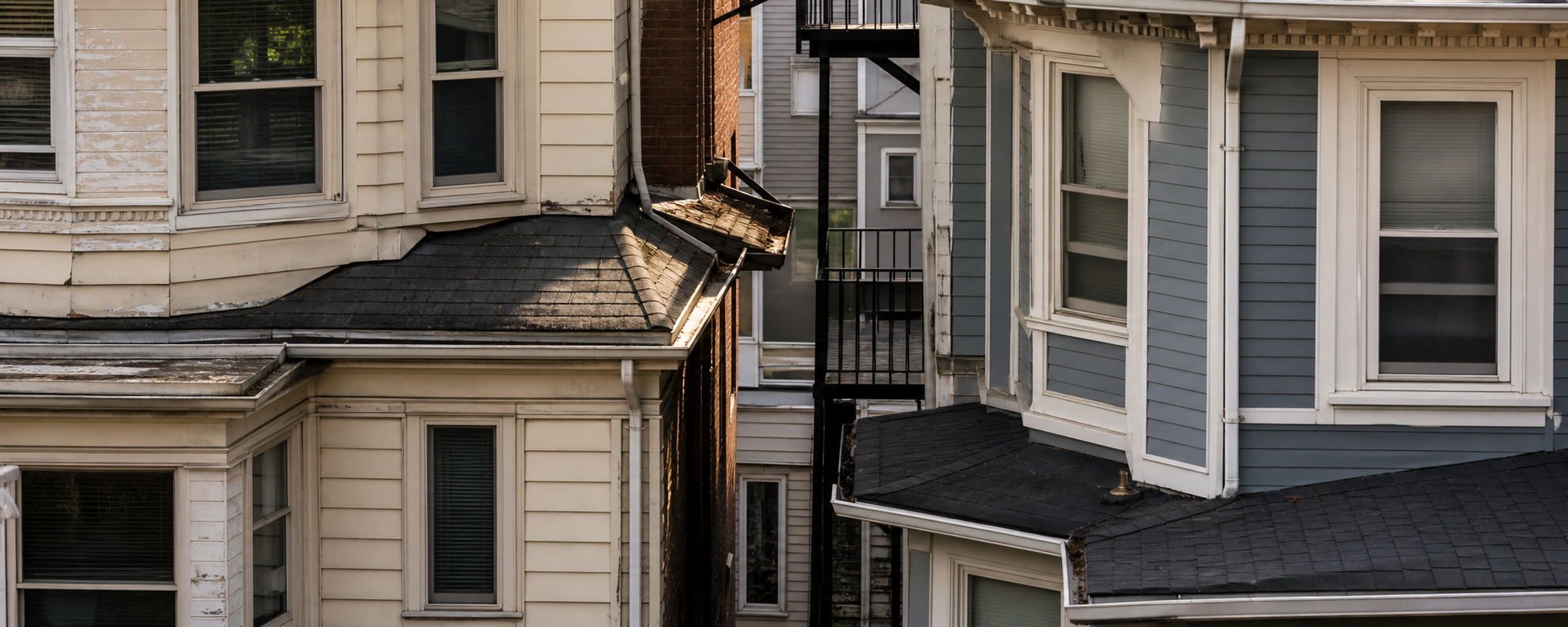
Any place where materials change or rooflines step can create longer-term maintenance demands if water flow is not managed well.
Older trim and exterior detail increase upkeep demands
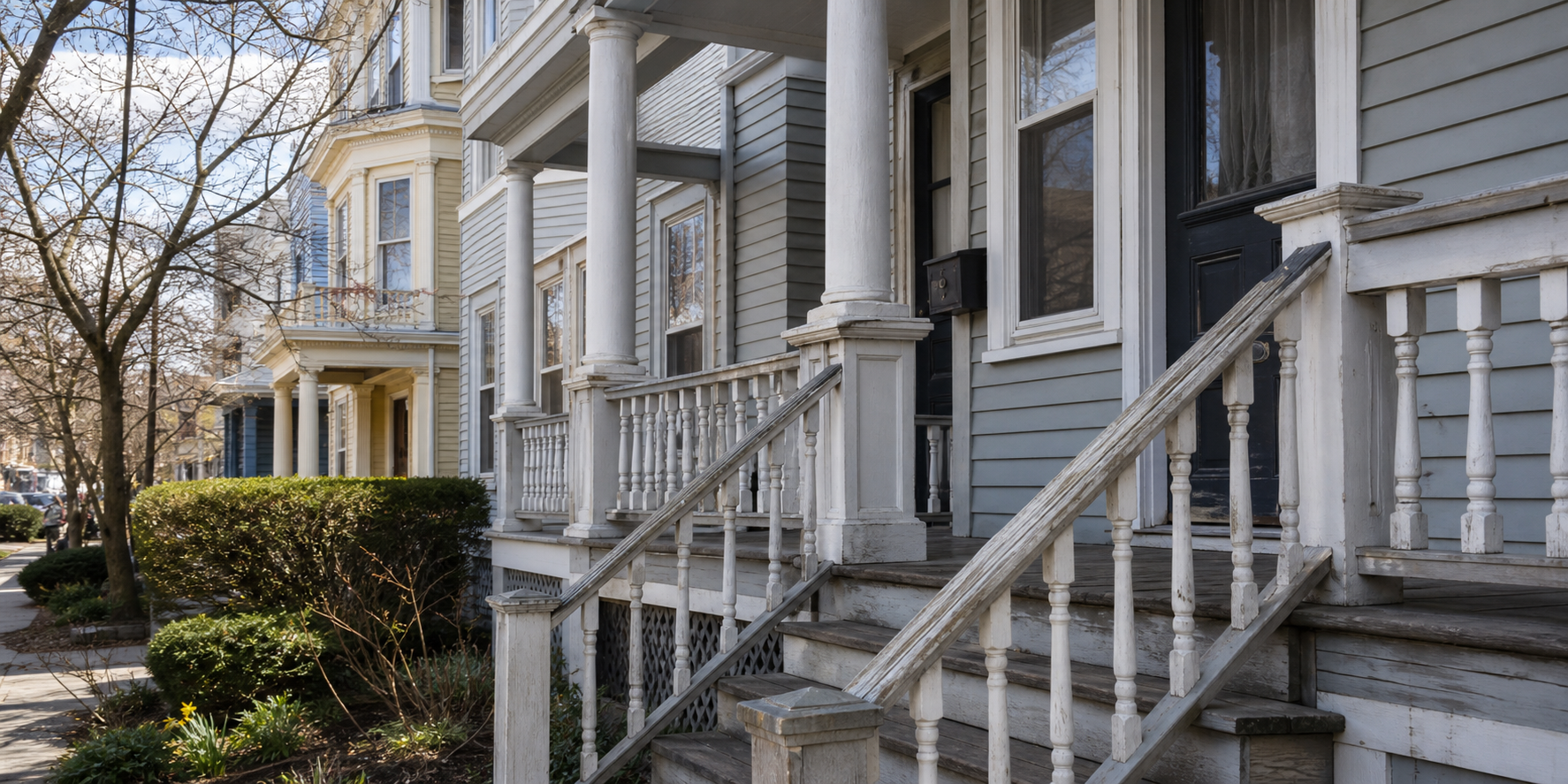
Many Somerville rentals rely on decorative trim, layered siding conditions, and porch-related details that simply require more maintenance than plain modern facades. Deferred paint or sealant work often spreads because those surfaces are exposed and interconnected.
Owners should think of this as part of owning older neighborhood housing stock, not as a surprise line item.
Cosmetic neglect becomes structural risk slowly
Peeling paint and soft trim do not always look urgent at first, but they can be part of a broader pattern of moisture and material breakdown if left unattended.
Exterior condition affects tenant confidence
Renters often read architectural wear as a sign of management quality. That makes exterior upkeep both a maintenance issue and a leasing issue.
Historic layouts can complicate repairs and leasing
Older floor plans may include narrow halls, awkward storage, mechanical access through occupied spaces, or room shapes that make furniture placement harder. Those details affect both maintenance logistics and how renters judge usability.
Owners should keep those constraints in mind when planning upgrades or staging showings. Good marketing does not hide layout reality. It explains it clearly.
Access limitations increase repair time
When equipment or utility lines are hard to reach, even modest repairs can take more coordination. That needs to be reflected in the maintenance plan.
Layout honesty improves tenant fit
Renters can accept quirks if they understand them. Problems start when the showing process does not prepare them for how the space actually lives.
A local maintenance file should track recurring details
Architectural character becomes easier to manage when owners document which parts of the building repeatedly need attention. That could mean one bay exposure, one porch line, one stair assembly, or one exterior corner that ages faster than the rest.
Without that record, owners end up rediscovering the same vulnerabilities year after year.
Photo history is useful here
Repeat photos of the same details can show how quickly trim, railings, or exterior joints are changing between seasons or inspection cycles.
Capital planning should reflect architectural reality
Owners of character-rich housing need reserve planning that accepts higher exterior detail maintenance as part of the building type.
FAQ
Why do architectural details create maintenance issues in Somerville rentals?
Older exterior projections, trim, roofline transitions, and historic layouts often create more exposed surfaces, more repair complexity, and more places for water or wear to accumulate.
Which features deserve the closest attention?
Owners should watch bay windows, porches, stairs, decorative trim, roof edges, and any older layout condition that makes repairs or daily use more complicated.
Can property management help with older architectural housing stock?
Yes. Local management can track repeat issues, coordinate inspections, and help owners plan maintenance around the building's specific architectural weak points.
Character needs a maintenance plan
Somerville architecture can support rent appeal, but only when owners understand the recurring upkeep that comes with it. Charm without planning usually becomes a repair backlog.
If your building's details keep generating the same headaches, a local property review can help prioritize the next steps.
Related owner pages