CapEx Planning for Older Somerville Rentals
How owners of older Somerville rentals should think about capital planning without waiting for every major expense to become urgent.
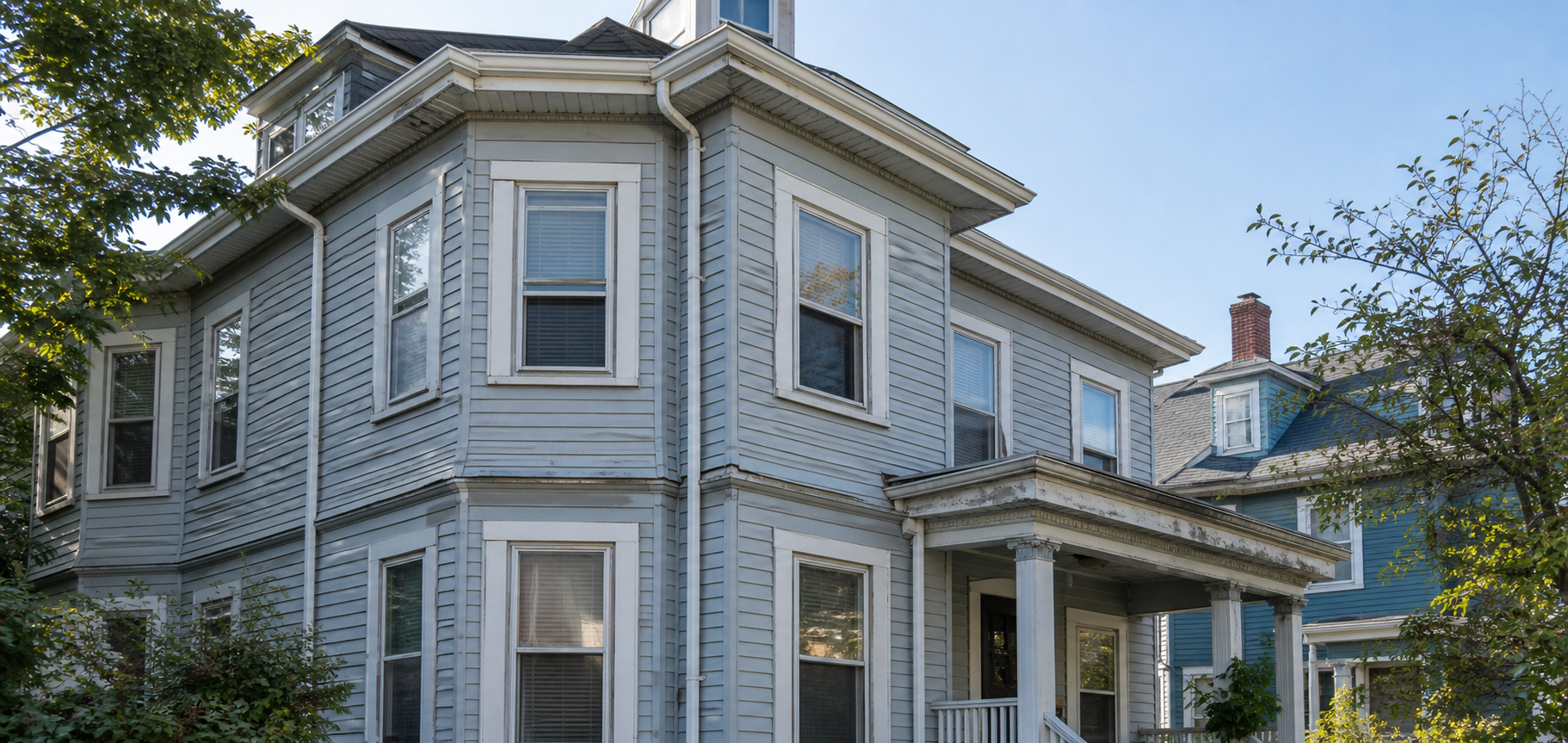
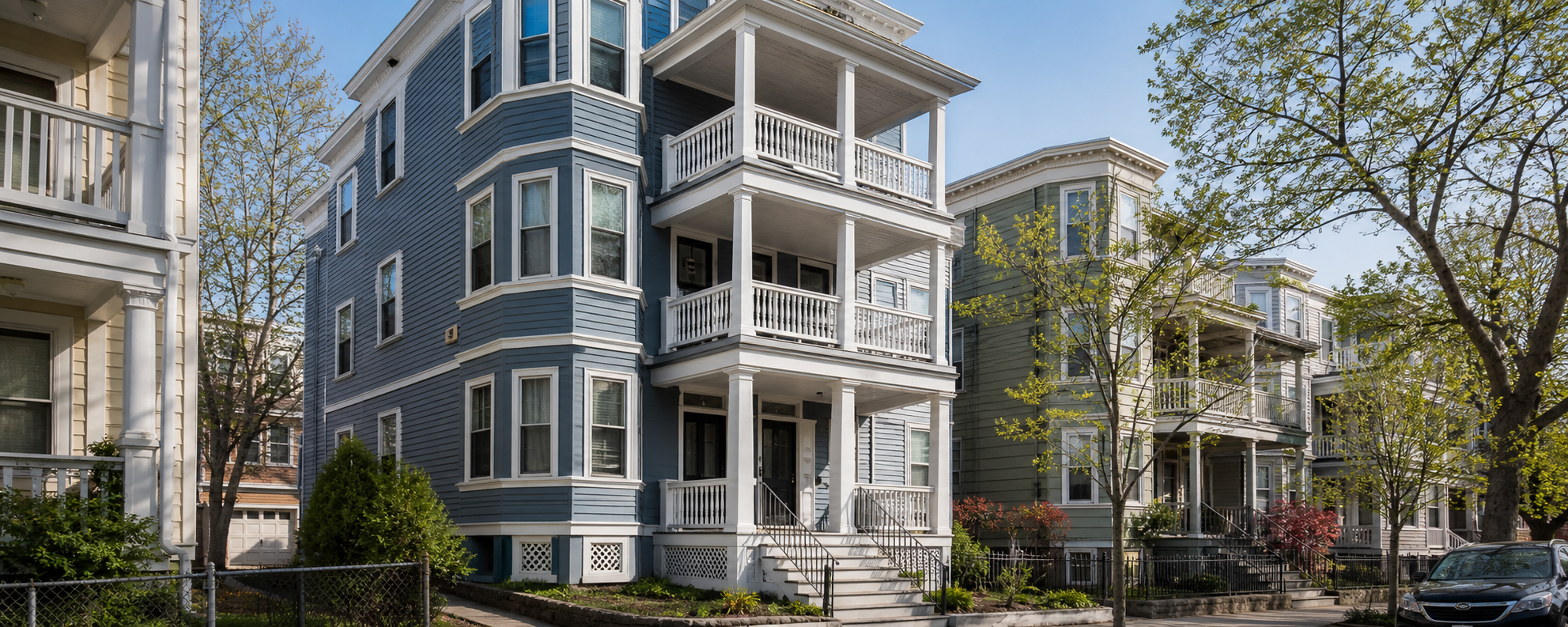
A lot of Somerville rental housing performs well because it sits in strong neighborhoods and continues to attract tenants. That can create a false sense of security for owners who assume a leased building is a healthy building.
Older multifamily homes, condos, and attached structures usually need more deliberate capital planning than their monthly cash flow alone suggests. The question is not whether larger costs are coming. It is whether the owner will see them early enough to sequence them well.
Occupancy can hide deferred work
A building may stay rented even while porches age, drainage slips, trim deteriorates, and mechanical systems approach replacement windows. Somerville demand can mask those conditions for a while, but it does not make them cheaper later.
Owners need a separate lens for building health. Rent collection answers one question. Capital planning answers another.
Repeat repairs are planning signals
The same leak, same stair issue, or same heating complaint should not keep appearing in owner reports without prompting a larger conversation about underlying condition.
Tenant tolerance is not a reserve strategy
A tenant living with minor inconvenience may still renew, but that does not mean the owner should delay work indefinitely. Waiting too long narrows the timing options later.
Exterior systems deserve an organized schedule
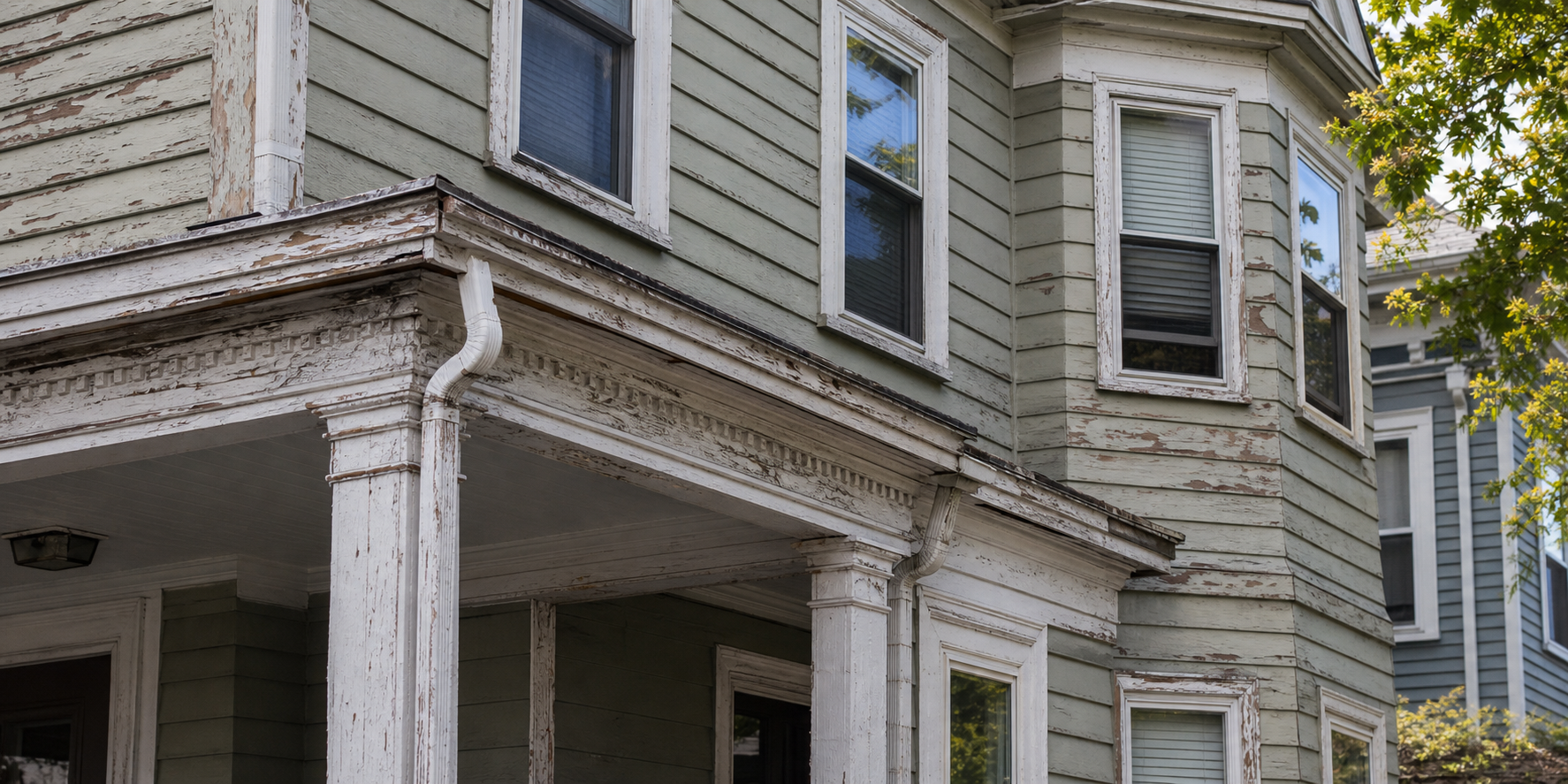
Porches, stairs, gutters, siding, entry trim, masonry, windows, and roof edges all take visible wear in older Somerville housing. These components influence both safety and how expensive water-related problems become over time.
Owners should review these items as a connected exterior envelope instead of assigning attention only when something visibly fails.
Water is often the hidden driver
A small gutter issue can become siding damage, trim rot, or basement moisture later. Capital planning improves when water management is treated as a cross-system concern.
Street-facing condition affects leasing power
Even in strong neighborhoods, exterior neglect changes how renters and owners feel about the building. Curb appeal is not vanity. It is a market signal tied to trust and perceived maintenance quality.
Interior upgrades should follow operating priorities
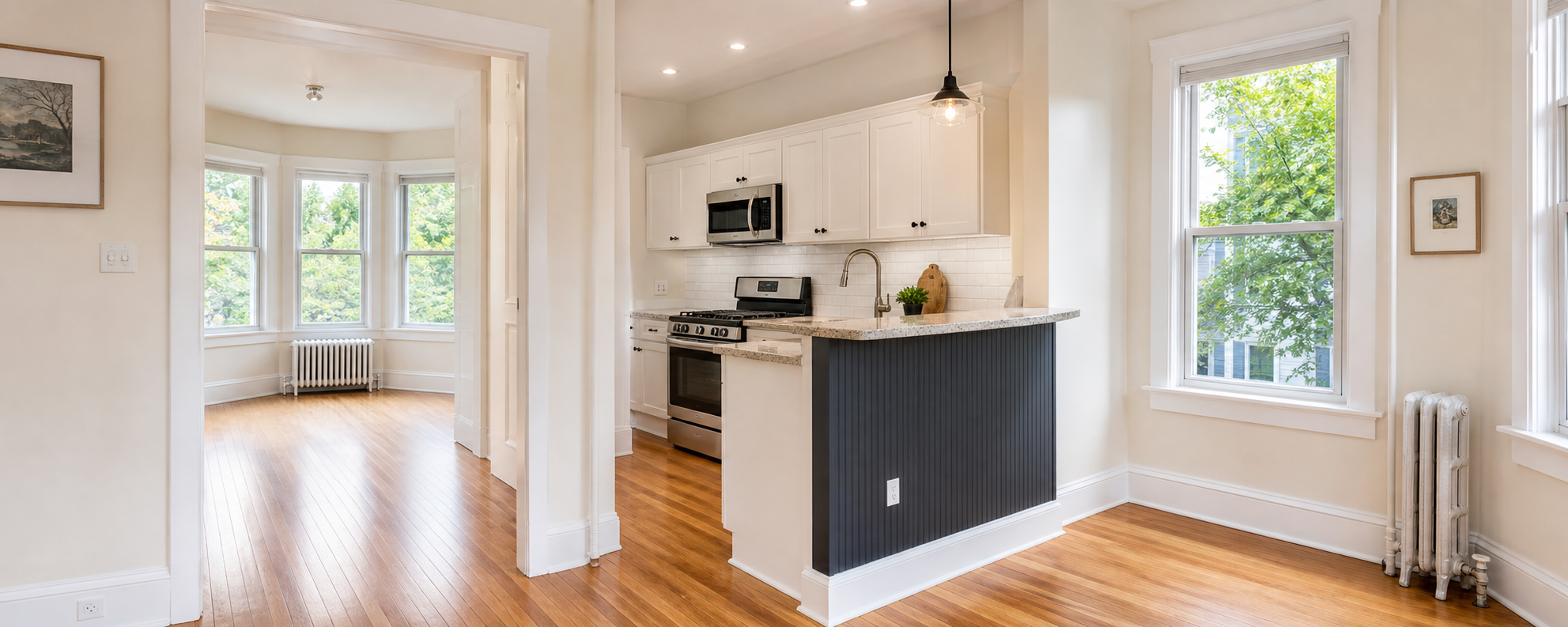
Not every improvement should be chosen for marketing value alone. In older properties, owners often need to balance cosmetic upgrades with building systems, moisture control, access improvements, and code-sensitive repair work.
A better sequence is to stabilize the building first, then direct interior renovation dollars where they improve rent performance, tenant satisfaction, or turnover efficiency.
Layout and usability can outperform trend upgrades
Simple changes that improve storage, lighting, or room function may support rent performance more than finishes chosen only to look current in photos.
Turnover timing matters
Some work is much easier to complete when a unit is vacant. Owners should use turnover planning as a chance to pair needed repairs with realistic upgrade decisions.
Use reporting to build a smarter reserve plan
A capital plan works better when it grows out of real property history. Owner statements, inspection notes, and maintenance records should help identify which systems are consuming time, money, or tenant goodwill.
That history gives owners a better basis for reserve decisions than generic replacement charts. Every building has its own pressure points.
Document open recommendations clearly
When a vendor suggests follow-up work, that recommendation should not disappear after the invoice is paid. The next review cycle should still show it as an open planning item.
Think in two timelines
Owners need a near-term list of repairs that protect operations now and a longer-term list of larger costs that need reserve planning before they become disruptive.
FAQ
What is the biggest capital planning mistake owners make in older Somerville rentals?
Treating occupancy and rent collection as proof that the building does not need larger planning. Deferred work often stays hidden until timing becomes difficult.
Which building areas usually deserve early capital attention?
Owners should review roof drainage, porches, stairs, exterior trim, windows, basements, heating systems, and any area tied to recurring maintenance costs.
How can property management help with CapEx planning?
A local manager can track maintenance history, coordinate inspections, document repeat issues, and give owners clearer information for reserve and timing decisions.
Plan before urgency chooses for you
Older Somerville rentals rarely stay easy by accident. Owners who track building condition over time make better decisions about timing, reserves, and tenant disruption.
If your property has been running on reactive repairs, a rental analysis can help map out the next planning cycle.
Related owner pages